




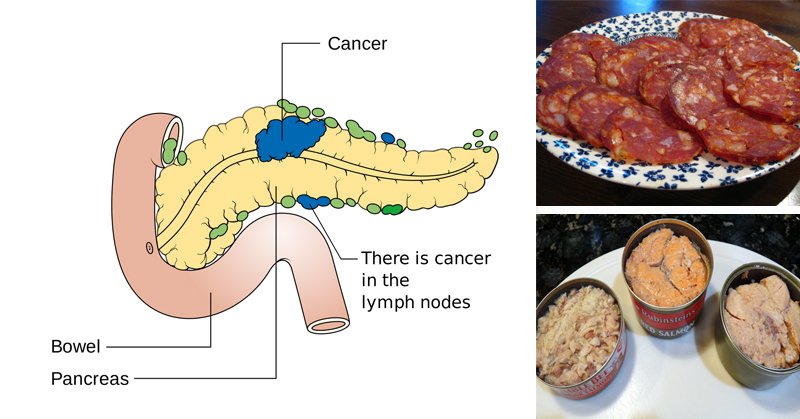
In today’s fast-paced world, convenience often trumps health. Many of us find ourselves reaching for quick snacks, processed meals, or sugary drinks without considering their long-term effects. However, research from reputable sources like the World Health Organization (WHO) and the American Cancer Society (ACS) shows a growing connection between certain dietary choices and an increased risk of cancer.
To help you make better choices, here’s a closer look at 10 cancer-linked foods that health experts recommend limiting—or avoiding altogether.
1. Processed Meats
Examples: Bacon, sausage, ham, salami, hot dogs
Processed meats are among the most dangerous foods when it comes to cancer risk. The WHO has classified them as a Group 1 carcinogen, the same category as tobacco and asbestos, due to their strong association with colorectal cancer. These meats often contain nitrates and nitrites, which are preservatives that can form cancer-causing compounds during digestion.
Healthier Alternative: Opt for fresh, lean meats like chicken, turkey, or plant-based protein sources.
2. Red Meat (in excess)
Examples: Beef, lamb, pork
While not as dangerous as processed meat, red meat is still linked to increased risks of colorectal, pancreatic, and prostate cancers when consumed in high quantities. Cooking red meat at high temperatures—such as grilling or pan-frying—can also create heterocyclic amines (HCAs) and polycyclic aromatic hydrocarbons (PAHs), both of which are carcinogenic.
Healthier Alternative: Try to limit red meat to no more than 18 ounces per week and choose cooking methods like baking or steaming.
3. Sugary Drinks
Examples: Soda, fruit punches, sweetened teas
Sugary drinks are loaded with empty calories and have zero nutritional value. Regular consumption can lead to obesity, a major risk factor for at least 13 different types of cancer, including breast, liver, and colon. High sugar intake is also linked to increased inflammation and insulin resistance, which can support tumor growth.
Healthier Alternative: Drink water, herbal teas, or naturally flavored sparkling water.
4. Ultra-Processed Foods
Examples: Packaged snacks, frozen pizzas, instant noodles, flavored chips
Ultra-processed foods are convenient but often packed with artificial ingredients, preservatives, and trans fats. A study published in BMJ (British Medical Journal) found that people who ate more ultra-processed foods had a significantly higher risk of developing cancer.
Healthier Alternative: Choose whole, minimally processed foods like fruits, vegetables, nuts, and whole grains.
5. Alcohol
While moderate alcohol consumption may be acceptable for some people, it’s important to understand that ethanol, the active ingredient in alcohol, is a known carcinogen. It breaks down into acetaldehyde, a toxic chemical that damages DNA and may lead to several types of cancer—including breast, liver, esophageal, and colorectal cancer.
Healthier Alternative: If you drink, do so in moderation—no more than one drink per day for women and two for men, according to the CDC.
6. Microwave Popcorn (with Artificial Additives)
Microwave popcorn is a popular snack, but it can be risky if it contains diacetyl, a chemical once used in artificial butter flavoring that has been linked to lung damage. Additionally, some older packaging used to be lined with perfluorooctanoic acid (PFOA), a substance linked to kidney and testicular cancer.
Healthier Alternative: Air-pop your own popcorn at home and add natural flavorings like olive oil or nutritional yeast.
7. Hydrogenated Oils (Trans Fats)
Hydrogenated oils are commonly used in baked goods and fried foods. These oils contain trans fats, which raise bad cholesterol (LDL), lower good cholesterol (HDL), and promote chronic inflammation—a key contributor to cancer development.
Although many countries have restricted trans fats, they can still be found in some processed foods.
Healthier Alternative: Check food labels for “0g trans fat” and avoid ingredients like “partially hydrogenated oil.”
8. Charred or Over-Grilled Foods
Cooking meats or other foods at very high temperatures—especially over an open flame—can lead to the formation of HCAs and PAHs, both of which are mutagenic (i.e., they can change DNA and potentially lead to cancer).
Healthier Alternative: Use gentle cooking methods like boiling, baking, or steaming. If grilling, avoid charring and remove blackened portions before eating.
9. Canned Foods with BPA Linings
BPA (Bisphenol A) is a chemical used to line cans and preserve food. Research suggests that BPA can mimic estrogen, potentially disrupting the body’s hormone systems and increasing the risk of breast and prostate cancers.
Healthier Alternative: Look for BPA-free cans or opt for fresh or frozen versions of your favorite canned foods.
10. Refined Carbohydrates and White Flour
Examples: White bread, pastries, sugary cereals
Refined carbs have a high glycemic index, meaning they spike your blood sugar and insulin levels quickly. Over time, these spikes can lead to insulin resistance and chronic inflammation, both of which are associated with cancer risk.
Healthier Alternative: Switch to whole grains like brown rice, quinoa, and whole-wheat bread.
Final Thoughts: Prevention Through Smart Choices
It’s important to remember that no single food causes cancer, and eating one unhealthy item occasionally won’t ruin your health. However, regularly consuming these high-risk foods can add up over time. By making mindful food choices and incorporating more whole, plant-based foods into your diet, you can dramatically lower your cancer risk and boost overall wellness.
✅ Bonus Tips:
- Fill half your plate with vegetables and fruits at each meal.
- Choose lean protein sources like legumes, fish, or tofu.
- Stay active and maintain a healthy weight.
- Stay hydrated and get regular health checkups.
Ready to Take Control of Your Health?
Healthy eating doesn’t have to be restrictive or boring. Small changes can lead to big results over time. Start today by swapping out just one of these risky foods for a safer, nutrient-rich alternative—and take a confident step toward a healthier, cancer-free future.