




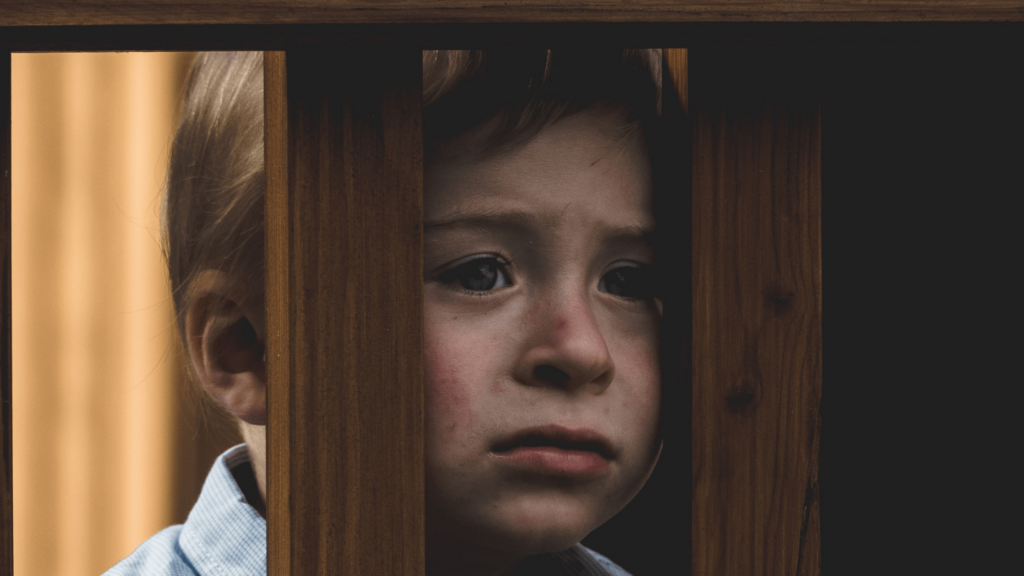
Growing up with a narcissistic parent can have lasting effects that stretch far beyond childhood. Narcissistic parents—those who are controlling, manipulative, emotionally unavailable, or self-centered—often shape their children’s emotional development in complex, painful ways. As adults, many children of narcissists begin to reflect on their upbringing and realize how deeply it influenced their self-worth, relationships, and mental health.
Here are 7 of the most common things children of narcissists bring up—again and again—in therapy, support groups, or personal reflection. Whether you’re beginning to understand your past or looking for healing, this list will resonate with the invisible wounds many adult children carry.
1. “I Never Felt Truly Seen or Heard.”
One of the most common complaints children of narcissists share is that their emotions, thoughts, and experiences were ignored, dismissed, or overshadowed by the parent’s needs.
Narcissistic parents are often more interested in how their child reflects on them than in who the child actually is. This means:
- Emotions are invalidated (“Stop being dramatic.”)
- Achievements are downplayed or co-opted (“You won because I helped you.”)
- The child’s individuality is ignored in favor of the parent’s agenda
Impact on the child:
- Chronic self-doubt
- People-pleasing behavior
- A deep craving for validation in adulthood
Children raised this way often feel like they had to “perform” or become someone else to receive even minimal attention.
2. “I Was Always Walking on Eggshells.”
Another repeated concern is the constant fear of triggering an emotional reaction. Narcissistic parents may explode in rage, go silent for days, or guilt-trip their child over minor issues.
Examples include:
- Getting the “cold shoulder” for minor disobedience
- Frequent unpredictable mood swings
- Being blamed for things that weren’t your fault
Impact on the child:
- Hyper-vigilance and anxiety
- Difficulty relaxing or trusting others
- Tendency to suppress emotions to avoid conflict
Many adult children of narcissists describe their childhood home as emotionally unsafe—even when there was no physical abuse.
3. “My Boundaries Were Never Respected.”
Narcissistic parents often see their child as an extension of themselves, rather than a separate individual with personal space and rights. This leads to:
- Snooping through personal items (journals, phones, etc.)
- Making decisions on behalf of the child without consent
- Forcing emotional enmeshment (“You owe me everything I’ve done for you.”)
Impact on the child:
- Struggles with setting boundaries in adult relationships
- Guilt when asserting independence
- Confusion about where their identity ends and others’ expectations begin
This lack of respect for autonomy often leads to codependency and poor self-advocacy later in life.
4. “I Was Gaslit All the Time.”
Gaslighting is a form of emotional manipulation that narcissistic parents frequently use to maintain control. It involves denying reality, twisting facts, or blaming the child for things that weren’t their fault.
Common gaslighting phrases:
- “You’re too sensitive.”
- “That never happened.”
- “You always make things up to hurt me.”
Impact on the child:
- Constant self-doubt and confusion
- Loss of trust in their own memory or judgment
- Anxiety and depression
As adults, these children often question their reality and feel the need to seek external validation for every decision.
5. “Love Always Felt Conditional.”
For children of narcissists, love is often earned rather than freely given. Praise, affection, and acceptance may only come when the child behaves, achieves, or agrees with the parent.
Examples:
- “I’m proud of you only when you’re successful.”
- “If you disappoint me, I won’t talk to you.”
- “You need to make me look good.”
Impact on the child:
- Low self-esteem rooted in performance
- Fear of rejection or abandonment
- Struggles to form healthy romantic relationships
These individuals often equate love with conditions, pressure, or control—a belief that needs to be unlearned during healing.
6. “They Made Everything About Themselves.”
Narcissistic parents often center every conversation, celebration, or crisis around themselves, leaving the child feeling neglected or overshadowed.
Examples:
- Taking over birthday parties or graduation speeches
- Complaining when the child is sick or sad (“Now you’re making me worry too much!”)
- Telling stories where they are always the hero or victim
Impact on the child:
- Feeling invisible or unworthy
- Inability to express personal needs
- Suppressing emotions to avoid burdening others
This leads to chronic emotional suppression, as the child learns that their feelings are not as important as the parent’s.
7. “I Still Struggle with My Sense of Identity.”
Possibly the deepest wound is a fragmented or unclear sense of self. Narcissistic parents tend to shape their children into who they want them to be, rather than encouraging authentic growth.
Children may grow up being:
- The “golden child” expected to succeed
- The “scapegoat” blamed for the family’s problems
- The “invisible child” who stays out of the way
Impact on the child:
- Difficulty knowing what they truly want in life
- Taking on roles to please others
- Lack of self-confidence or personal direction
As adults, many describe a “lost” feeling, unsure of who they are outside of others’ expectations.
Healing the Wounds: Is Recovery Possible?
Absolutely. While growing up with a narcissistic parent can create lasting emotional scars, healing is possible with time, awareness, and support.
Steps Toward Healing:
- Therapy – Especially with professionals who understand narcissistic abuse
- Setting boundaries – Learning to say no without guilt
- Inner child work – Reconnecting with the parts of yourself that were ignored or silenced
- Education – Understanding narcissism helps you reframe your experiences
- Support groups – Talking to others who share your story can be incredibly validating
Healing often begins with the simple realization: “It wasn’t my fault.”
Conclusion: Speaking the Unspoken Truth
Children of narcissists often carry invisible wounds well into adulthood. By naming and discussing their shared experiences—being unheard, gaslit, emotionally neglected, or controlled—they begin to break the cycle and reclaim their power.
If you recognize yourself in these 7 truths, you are not alone. Your story matters. Your healing matters. And most importantly—your needs, feelings, and identity are valid.