


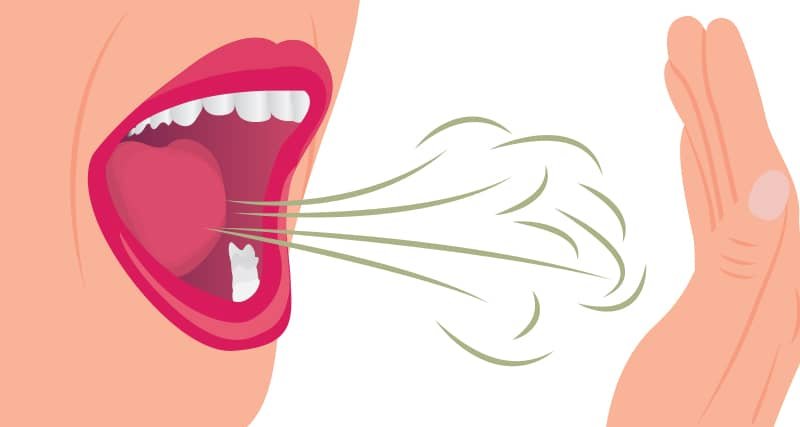
Bad breath, also known as halitosis, can be an embarrassing condition that affects many people. Whether it’s a temporary issue or a more persistent problem, the good news is that bad breath is often treatable once you understand the underlying causes. In this article, we’ll explore the common reasons for bad breath and share effective strategies for treating and preventing it.
1. Poor Oral Hygiene
One of the most common causes of bad breath is poor oral hygiene. When you don’t brush and floss your teeth regularly, food particles can remain in your mouth, promoting the growth of bacteria. This bacteria can produce foul-smelling compounds, which are released when you breathe.
Treatment Tip: To combat bad breath caused by poor oral hygiene, brush your teeth at least twice a day and floss daily to remove food particles and plaque. Don’t forget to brush your tongue, as bacteria can accumulate there too. Consider using an antibacterial mouthwash for added freshness.
2. Dry Mouth (Xerostomia)
Saliva plays a crucial role in cleaning your mouth and removing food particles. If you have dry mouth, often caused by medication, dehydration, or certain medical conditions, your mouth can’t produce enough saliva to wash away odor-causing bacteria, leading to bad breath.
Treatment Tip: Stay hydrated by drinking plenty of water throughout the day to promote saliva production. If dry mouth persists, talk to your dentist or doctor about using saliva substitutes or switching to medications that may be less drying.
3. Dietary Choices
Certain foods, such as garlic, onions, coffee, and alcohol, can contribute to bad breath due to their strong odors. Foods with strong odors release volatile compounds that enter your bloodstream, which are then exhaled through your lungs, causing bad breath.
Treatment Tip: To avoid bad breath caused by food, limit your intake of foods with strong odors, especially before social events. Chewing sugar-free gum or drinking water after meals can help reduce the effects of odor-causing foods.
4. Smoking and Tobacco Use
Smoking and using tobacco products not only leave a lingering odor on your breath but also dry out your mouth, increasing the likelihood of bad breath. Tobacco use also promotes the growth of bacteria in the mouth, which further contributes to halitosis.
Treatment Tip: Quitting smoking or using tobacco products can significantly improve your breath and overall oral health. If you’re unable to quit on your own, seek support through smoking cessation programs or speak with your healthcare provider.
5. Gum Disease
Gum disease, or periodontal disease, is an infection of the gums caused by the buildup of plaque and tartar. This condition can lead to bad breath, along with symptoms such as swollen or bleeding gums, and even tooth loss if left untreated.
Treatment Tip: Regular visits to the dentist for cleanings and checkups are essential in preventing and treating gum disease. Brushing and flossing your teeth thoroughly can help remove plaque and reduce the risk of gum disease and bad breath.
6. Acid Reflux (GERD)
Gastroesophageal reflux disease (GERD) occurs when stomach acid flows back into the esophagus, often reaching the mouth. This acid can leave a sour or bitter taste in the mouth and contribute to bad breath. GERD can also cause heartburn and indigestion.
Treatment Tip: If acid reflux is contributing to your bad breath, speak with your doctor about medications that can help control the acid. Avoid eating large meals before bedtime, and limit your intake of acidic or spicy foods that may exacerbate the condition.
7. Infections in the Mouth or Throat
Oral infections, such as tooth decay, abscesses, or throat infections, can lead to bad breath due to the bacteria or pus present in the infection. These infections often cause additional symptoms like pain, swelling, or fever.
Treatment Tip: If you suspect an infection in your mouth or throat, it’s essential to see a dentist or doctor for proper diagnosis and treatment. Antibiotics or other treatments may be needed to clear up the infection and eliminate the bad breath.
8. Medications
Some medications can cause dry mouth as a side effect, which can lead to bad breath. Certain medications, such as antihistamines, decongestants, and painkillers, can reduce saliva production, which in turn allows bacteria to thrive in the mouth.
Treatment Tip: If you believe your medication is contributing to dry mouth or bad breath, talk to your doctor about potential alternatives or ways to manage the side effects. Drinking more water and using saliva substitutes can help mitigate the impact.
9. Sinus Problems
Sinus infections or allergies can lead to post-nasal drip, where mucus drips down the back of the throat. This mucus can have an unpleasant odor, contributing to bad breath. Additionally, sinus infections can cause congestion and irritation in the mouth and throat.
Treatment Tip: If sinus issues are causing bad breath, using a saline nasal spray or a neti pot to clear out your sinuses may help. Consult with your doctor for appropriate treatments if your sinus problems are persistent.
10. Underlying Health Conditions
Certain health conditions, such as diabetes, liver disease, and kidney failure, can contribute to bad breath. For instance, individuals with uncontrolled diabetes may have fruity-smelling breath due to high blood sugar levels. Liver and kidney conditions can cause breath to have a musty or urine-like odor.
Treatment Tip: If you suspect that an underlying health condition is causing bad breath, seek medical attention for proper diagnosis and treatment. Managing the underlying condition can help alleviate the bad breath.
11. Mouth Breathing
Breathing through your mouth, especially while sleeping, can lead to dry mouth and bad breath. This is commonly seen in people with nasal congestion or those who suffer from sleep apnea.
Treatment Tip: If mouth breathing is contributing to bad breath, treating any underlying nasal issues, such as allergies or sinus problems, can help. Using a humidifier at night can also prevent your mouth from drying out.
Conclusion
Bad breath is a common issue that can often be traced back to specific causes, including poor oral hygiene, dry mouth, dietary habits, and underlying health conditions. The good news is that in many cases, bad breath can be managed or prevented by making simple changes to your oral care routine, diet, and lifestyle.
If bad breath persists despite these measures, it’s important to consult with a healthcare provider to rule out any serious medical conditions. By taking proactive steps and seeking professional help when needed, you can regain fresh breath and improve your overall oral health.