


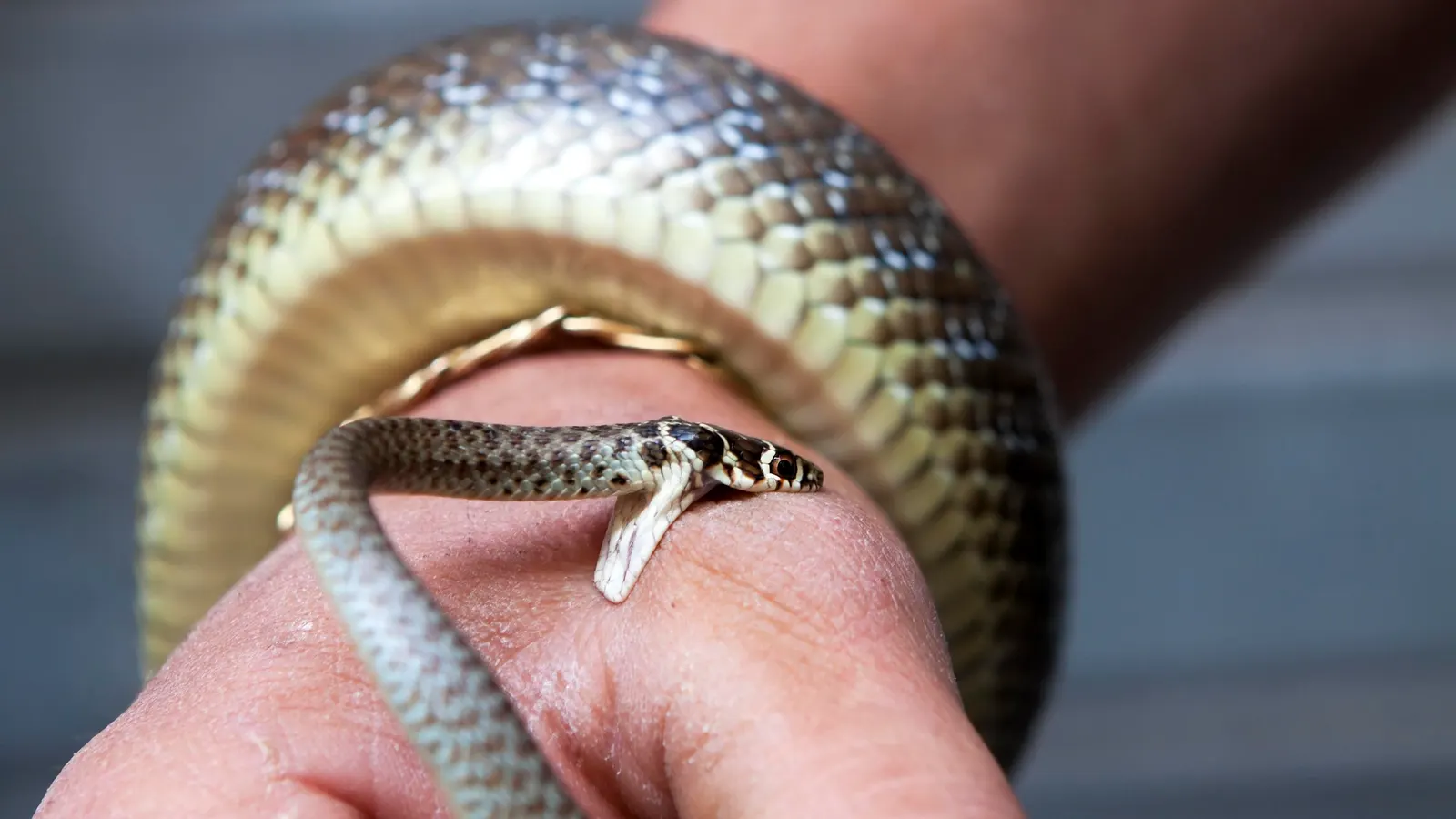
Snake bites are medical emergencies that can quickly become life-threatening if not handled properly. Each year, millions of people worldwide suffer from venomous snake bites, and many of these cases result in serious complications or death due to a lack of immediate and correct action.
Knowing the first step after a snake bite is not just essential for your own safety, but it could also save the life of someone you love. Whether you live in a rural area, frequently hike in the wild, or even reside in a region where snakes are common, understanding how to respond can make all the difference.
This article covers everything you need to know about the first steps after a snake bite, what not to do, and how to manage the situation until medical help arrives.
Understanding Snake Bites: Venomous vs. Non-venomous
Before diving into the first aid process, it’s crucial to know the difference between venomous and non-venomous snake bites.
- Venomous snakes inject toxins through their fangs, which can affect the nervous system, blood clotting, or muscle function.
- Non-venomous snakes might bite in self-defense but usually do not pose a life-threatening risk.
Regardless, all snake bites should be treated as serious until proven otherwise by a medical professional.
The First Step After a Snake Bite: Stay Calm and Immobilize
The most important first step after a snake bite is to stay calm and keep the affected limb immobilized and below heart level.
Why this is important:
- Panic increases your heart rate, which can spread venom faster through the bloodstream.
- Keeping the bite site still slows down the venom’s movement.
- Keeping the limb lower than the heart helps reduce venom travel to vital organs.
This simple act can significantly delay the venom’s progress, buying critical time to seek medical help.
Detailed First Aid Steps After a Snake Bite
Here is a step-by-step guide on what to do immediately after a snake bite:
1. Move Away From the Snake
Ensure the scene is safe. Do not attempt to capture or kill the snake.
- Move yourself or the victim to a safe location.
- Remember what the snake looked like (color, size, markings) for identification later.
2. Call Emergency Services
Dial emergency medical services (911 or your local emergency number) as soon as possible. Even if the bite doesn’t seem serious, venomous bites can escalate quickly.
3. Keep the Victim Calm and Still
Encourage the person to sit or lie down. Keep the bite area still and below heart level.
- Movement can accelerate venom absorption.
- Use a splint or sling to immobilize the area if possible.
4. Remove Tight Clothing or Jewelry
Snake bites often cause rapid swelling, so remove anything that could become constrictive, such as:
- Rings
- Watches
- Tight sleeves or pants
This prevents complications from swelling.
5. Clean the Wound Gently
If available, wash the area with clean water and mild soap. Do not scrub or apply strong antiseptics.
- Gently pat dry.
- Cover with a clean, dry bandage or cloth to reduce infection risk.
6. Monitor Vital Signs
Keep an eye on the victim’s breathing, pulse, and level of consciousness. Be ready to perform CPR if necessary.
- If the person becomes unconscious or stops breathing, start CPR and continue until help arrives.
7. Keep Hydrated and Reassured
If the victim is conscious and able to swallow, allow small sips of water. Reassure them constantly to help reduce anxiety.
What You Should NOT Do After a Snake Bite
Knowing what not to do is just as crucial as knowing the right steps. Here are some common myths and mistakes to avoid:
❌ Do Not Try to Suck Out the Venom
This old myth is dangerous. Sucking the venom can cause more harm than good, including infection and further tissue damage.
❌ Do Not Apply Ice or a Tourniquet
- Ice can worsen tissue damage.
- Tourniquets can trap venom in one area, causing severe damage or amputation.
❌ Do Not Cut the Wound
Cutting the bite site increases the risk of infection and does not help remove venom.
❌ Do Not Give Alcohol or Caffeine
These substances can speed up the heart rate and spread venom more quickly.
❌ Do Not Delay Medical Treatment
Never assume the bite is harmless. Always seek professional medical care immediately.
Common Symptoms of a Venomous Snake Bite
Venomous bites may cause one or more of the following symptoms:
- Severe pain at the bite site
- Swelling and bruising
- Nausea and vomiting
- Blurred vision or difficulty breathing
- Weakness or numbness
- Drooping eyelids or facial muscles
- Bleeding from the gums or unusual bruising
These symptoms can appear within minutes to hours and can become life-threatening without treatment.
Antivenom: The Lifesaving Treatment
The only effective treatment for a venomous snake bite is antivenom, which is administered in a hospital setting.
- It works by neutralizing the venom in the bloodstream.
- The sooner it is given, the more effective it is.
Delaying treatment increases the risk of permanent tissue damage, organ failure, or even death. In many cases, late or improper treatment results in lifelong dialysis, amputation, or other chronic conditions.
When Snake Bites Lead to Dialysis
If venom damages the kidneys, patients may require dialysis, a process that removes waste and excess fluids from the blood.
- Some types of snake venom—like that of Russell’s viper or sea snakes—can cause acute kidney injury.
- Without fast treatment, the damage may become irreversible, requiring lifelong dialysis.
How to Prevent Snake Bites
While knowing how to respond is critical, prevention is even better. Follow these tips:
- Avoid walking through tall grass or bushes without protection.
- Wear boots and long pants in snake-prone areas.
- Use a flashlight when walking outside at night.
- Never handle or provoke snakes, even if they appear dead.
- Be cautious around rocks, logs, or underbrush where snakes may hide.
Conclusion
The first step after a snake bite—stay calm and immobilize the affected area—can mean the difference between recovery and lifelong consequences. Every second counts when dealing with venomous bites. While panic is a natural response, keeping your composure and acting swiftly can save a life.
Whether it’s for yourself, your family, or someone else, knowing the correct steps to take after a snake bite is invaluable. Don’t take chances. Every snake bite is a medical emergency.