


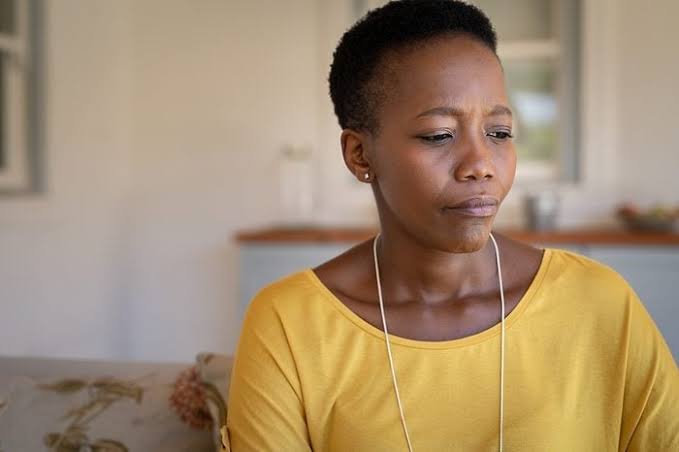


It can be confusing, frustrating, and sometimes hurtful when a woman seems deeply connected and then suddenly pulls away. You might feel like everything was going perfectly, only to notice distance, silence, or emotional withdrawal. Understanding why this happens isn’t about blaming anyone—it’s about understanding human psychology, emotional patterns, and the natural way relationships evolve.
Women, like men, have complex emotional landscapes. Their actions often reflect internal processing, self-protection, or assessment of compatibility rather than a sudden change of heart. In this article, we’ll explore the key reasons why women sometimes distance themselves after emotional or romantic closeness, helping you understand the signals and respond in a healthy, respectful way.
1. Emotional Overwhelm
When a woman gets close, she opens herself up emotionally. She may share personal thoughts, feelings, or past experiences. This vulnerability can be exhilarating but also overwhelming. Emotional closeness triggers intense feelings, which can sometimes cause her to step back to process and regain balance.
Women often need mental space after emotional intensity. Pulling away isn’t rejection—it’s a natural self-regulation mechanism. This pause allows her to reflect on what she feels, what she wants, and how to maintain healthy boundaries. Men often misinterpret this as disinterest, but in reality, it’s a sign of emotional intelligence at work.
2. Fear of Losing Independence
Many women highly value their independence and personal space. Getting close can feel exciting, but if the relationship begins to feel too consuming or fast-paced, she may pull away to reassert autonomy.
Independence is not about pushing someone away; it’s about maintaining identity. Women who retreat to maintain personal freedom often return with a clearer perspective, ready to engage without sacrificing their sense of self.
3. Past Experiences and Emotional Baggage
Previous relationships leave emotional impressions. A woman may get close but suddenly withdraw if something triggers unresolved past pain or mistrust. This could be fear of rejection, betrayal, or being hurt again.
Emotional baggage doesn’t mean she has doubts about you personally—it means her past experiences influence her present reactions. Patience, empathy, and understanding are essential here. Giving her space while demonstrating consistency and trustworthiness often allows her to re-engage without fear.
4. Testing Compatibility
Pulling away can sometimes be a subconscious test. Women often assess whether the emotional closeness is mutually sustainable. She may want to see how you handle space, respect boundaries, or respond without panic.
This isn’t manipulation—it’s part of evaluating long-term compatibility. A partner who respects her boundaries, maintains composure, and communicates calmly demonstrates reliability and emotional stability, which strengthens attraction over time.
5. Over-Intense Closeness
Sometimes men unintentionally escalate emotional or romantic closeness too quickly. Constant messaging, frequent calls, or high-pressure emotional expressions can overwhelm. Women may pull away simply to slow down the pace.
This is a subtle signal: she values connection but needs a more manageable rhythm. Healthy relationships thrive when both parties move at a comfortable pace, respecting emotional space while nurturing intimacy.
6. Mixed Feelings or Uncertainty
It’s normal for a woman to feel conflicted after getting close. She may genuinely like you but still be evaluating whether the connection aligns with her long-term goals, values, or emotional needs.
Mixed feelings often manifest as withdrawal. She’s not rejecting you; she’s taking time to clarify her emotions. Pushing her for answers during this period may backfire. Emotional patience and open communication encourage clarity without pressure.
7. Need for Reflection
Closeness often sparks reflection about life, goals, and priorities. She may pull away temporarily to process feelings, reassess intentions, or evaluate relationship potential. This reflection is healthy and necessary for sustainable emotional bonding.
Men sometimes mistake this as a lack of interest. In reality, stepping back can strengthen the connection if she returns feeling more confident and aligned emotionally.
8. Protecting Herself from Vulnerability
Opening up emotionally is risky. If she feels too exposed, she may instinctively distance herself to avoid feeling hurt. Vulnerability requires trust, and if the trust isn’t fully established, withdrawal acts as a protective mechanism.
Respecting this space, while demonstrating reliability and understanding, helps her feel safe. Over time, she may return, willing to engage more fully and openly.
9. External Stressors
Life circumstances—work pressure, family responsibilities, personal challenges—can affect emotional availability. She may pull away temporarily, not because of you, but because she needs space to manage external stress.
Understanding this dynamic requires empathy. Checking in respectfully and offering support without overstepping boundaries allows her to maintain independence while keeping the connection alive.
10. Desire for Emotional Control
Some women pull away to regain control over their emotional state. Getting close can feel exciting, but if emotions become intense, she may retreat to maintain stability.
This behavior is about self-regulation, not disinterest. Women who manage emotions consciously often return with clarity and appreciation for the emotional safety you provide.
11. Testing Boundaries
Pulling away can serve as a way to test your reaction. Women sometimes observe whether a partner becomes anxious, controlling, or overly persistent. Healthy boundaries are attractive; neediness or panic can create distance.
Respectful patience and calm responses demonstrate emotional maturity and build trust, often encouraging her to re-engage without feeling pressured.
12. Personal Growth and Self-Reflection
Emotional closeness often triggers self-reflection. She may pull away temporarily to assess personal growth, values, and priorities before committing fully.
This is a sign of self-awareness and responsibility, not rejection. Allowing her time to align her personal development with the relationship strengthens long-term compatibility.
13. Communication Gaps
Sometimes withdrawal happens due to misunderstandings or misaligned expectations. She may feel that her needs aren’t being met or that there’s miscommunication, prompting her to step back until clarity is restored.
Open, respectful communication helps resolve gaps and prevents prolonged distance. Asking gently how she feels and what she needs fosters understanding without pressure.
14. Fear of Losing Freedom
Some women fear losing freedom or independence after closeness. Pulling away is a way to reassert control over time and space.
This isn’t a sign of rejection; it’s a natural adjustment to balance intimacy and autonomy. Supporting her independence while maintaining emotional presence often strengthens trust and long-term connection.
15. Wanting Emotional Safety Before Full Engagement
Getting close is exhilarating but sometimes risky. She may need space to ensure the emotional environment feels safe before fully investing. Pulling away temporarily allows her to assess security, trust, and alignment with the relationship.
Patience, consistency, and reliability communicate that the emotional space is safe, encouraging her to return with confidence.
How to Respond When She Pulls Away
Stay Calm – Avoid panic or pressure; emotional reactions can push her further away.
Respect Space – Give her time to process without constant messaging.
Communicate Thoughtfully – Express care and curiosity without pushing for answers.
Reflect on Your Own Behavior – Consider if pace, intensity, or boundaries may have triggered withdrawal.
Maintain Your Life – Continue hobbies, friendships, and personal growth; independence is attractive.
Rebuild Connection Gradually – Show consistency, reliability, and emotional stability to encourage re-engagement.
Final Thoughts
Women pulling away after getting close is natural, normal, and often temporary. It reflects emotional processing, boundary maintenance, or evaluation of compatibility—not rejection.
Healthy responses focus on patience, respect, emotional balance, and personal stability. Understanding the reasons behind withdrawal empowers men to navigate relationships without anxiety or misinterpretation, strengthening long-term connection and trust.