

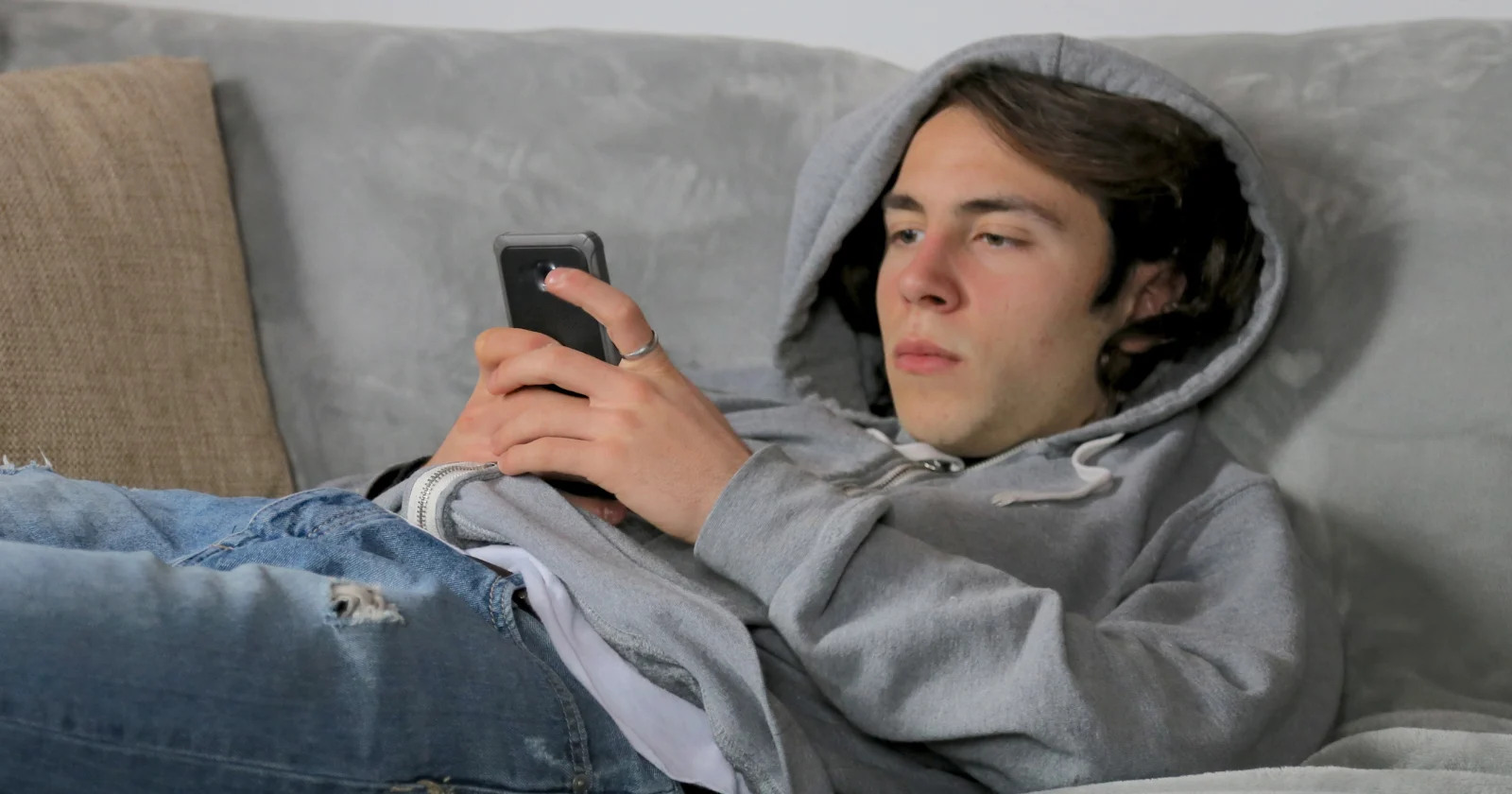
1. Preference for Privacy
Some individuals place an exceptionally high value on personal privacy, and this extends to their online presence. For them, sharing images of themselves on social media can feel like an invasion of personal boundaries. These individuals are often mindful of the potential risks associated with sharing personal photos, including misuse, unauthorized distribution, or simply feeling exposed. They tend to carefully curate what they reveal about their lives, often limiting personal information to close friends and family rather than broadcasting it to a wide audience.
Additionally, a preference for privacy can stem from a desire to maintain control over one’s identity. While social media encourages a form of self-representation, individuals who do not post photos may fear losing autonomy over how they are perceived. By withholding images, they retain the power to define themselves on their own terms, rather than allowing digital platforms to shape their public persona. This sense of control can contribute to a stronger sense of personal security and emotional well-being, as their self-image is not constantly subject to external validation or judgment.
People who value privacy might also be more conscious of digital footprints. Every image posted online contributes to a digital record that can be difficult to remove entirely. For these individuals, avoiding photo-sharing is a proactive measure to prevent future complications, whether in professional settings, legal scenarios, or personal life events. This deliberate choice reflects a careful and strategic approach to online interactions, rather than indifference or avoidance.
Privacy-conscious individuals often channel their energy into more meaningful online engagement, such as written content, thoughtful commentary, or supporting communities, rather than focusing on visual self-presentation. This approach reflects a deeper understanding of digital boundaries and personal security, highlighting that abstaining from posting photos is not a sign of disengagement, but rather a conscious, protective strategy.
By maintaining their privacy, these individuals navigate the online world with caution and intentionality, making decisions that prioritize long-term security and personal integrity over short-term social recognition.
2. Focus on Inner Self Over External Validation
Individuals who refrain from posting their photos often demonstrate a focus on intrinsic rather than extrinsic validation. Social media can create a culture where the number of likes, comments, and shares becomes a metric of self-worth. For some, this environment is counterproductive and can even feel superficial. By avoiding photo-sharing, these individuals shift attention away from external approval and toward personal growth, self-reflection, and meaningful accomplishments.
The psychology here revolves around the desire to cultivate internal satisfaction instead of relying on social affirmation. People who do not post images may be more invested in experiences, relationships, and personal achievements rather than cultivating an online persona for social admiration. This behavior often aligns with higher levels of self-awareness, emotional intelligence, and resilience. They prioritize what genuinely matters to them, rather than engaging in behavior designed to elicit validation from strangers or acquaintances online.
Moreover, avoiding photos allows these individuals to engage in social media in a way that is selective and intentional. They can participate in communities, discussions, and content consumption without the pressure to conform to visual norms or popularity contests. This approach can reduce stress and comparison anxiety, as they are not constantly measuring themselves against curated images of others. It also allows them to preserve the authenticity of their experiences, as they do not feel compelled to present a polished or idealized image of themselves online.
Ultimately, focusing on inner self over external validation reflects a mindset that values substance over appearance. These individuals demonstrate that social media can be used thoughtfully, prioritizing connection and content rather than personal exposure or superficial recognition.
3. Past Negative Experiences Online
Another significant reason some people avoid posting photos is past negative experiences on social media. Instances such as receiving critical comments, being compared to others, or having personal images misused can leave lasting impressions. Such experiences can create apprehension and motivate individuals to avoid sharing their photos to prevent repetition of these negative interactions.
The impact of past experiences is deeply psychological. Once an individual has encountered harassment, trolling, or unwanted attention online, the memory of that exposure can shape future behavior. Avoiding photo-sharing becomes a coping mechanism to mitigate potential stressors, emotional discomfort, or reputational damage. These individuals may also have witnessed similar incidents affecting friends or family, reinforcing the perception that sharing personal photos carries inherent risks.
This caution is often combined with a heightened sense of digital literacy. People who have experienced online negativity are more likely to carefully consider the potential consequences of every action they take on social platforms. They may analyze platform policies, privacy settings, and audience demographics before making any decisions. By abstaining from posting images, they minimize risk while still participating in the digital world in other ways, such as following content, commenting, or sharing text-based contributions.
In essence, past negative experiences shape a protective approach to online engagement. Choosing not to post photos is not avoidance for its own sake—it is a strategic decision rooted in self-preservation, emotional safety, and the desire to maintain a positive online experience.
4. Strong Sense of Individualism
A strong sense of individualism often characterizes people who avoid posting personal photos online. These individuals may resist conforming to social trends or norms that prioritize visual representation. They prefer to define themselves independently, relying on personal values, beliefs, and behaviors rather than external markers such as social media presence or public appearance.
Individualism in this context is linked to autonomy and self-determination. These individuals may prioritize personal achievements, creative expression, or intellectual pursuits over participating in visually driven social media culture. Their identity is constructed internally, and they may feel no need to broadcast images to validate who they are. This approach often leads to a richer sense of self and the cultivation of interests that are personally fulfilling rather than socially motivated.
Additionally, a focus on individualism allows for a thoughtful engagement with social media. People with this trait may carefully choose what to share, often opting for non-visual forms of expression, such as writing, commentary, or curated links to meaningful content. They do not feel pressured to follow trends, post selfies, or showcase their appearance, instead valuing the authenticity and independence of their digital persona.
The avoidance of photo-sharing, therefore, can be seen as a deliberate act of self-definition. It emphasizes personal principles, reinforces independence, and provides freedom from societal pressures associated with online image culture. By resisting the urge to conform, these individuals demonstrate confidence, self-reliance, and a distinct psychological orientation toward self-expression.
5. Concerns About Security and Misuse
Security concerns are a practical and psychological reason why some individuals refrain from sharing their photos online. With the rise of identity theft, deepfake technology, and other forms of digital misuse, many people perceive posting images as a potential security risk. Protecting personal identity in the online world has become a significant consideration, influencing behavior across various demographics.
These concerns extend beyond abstract fears. Photos shared publicly can be repurposed, manipulated, or used in ways the individual never intended. For instance, images might be used without consent in marketing, altered for misleading purposes, or distributed across unauthorized websites. Individuals aware of these risks may adopt a cautious approach, prioritizing their long-term security and privacy over short-term social engagement.
Furthermore, security concerns are intertwined with control. By withholding personal images, individuals retain authority over their digital footprint, preventing misuse that could have legal, professional, or social repercussions. This careful approach often reflects a high level of digital literacy, as individuals understand the mechanisms through which personal content can be exploited online.
Ultimately, the decision to avoid posting photos for security reasons demonstrates foresight and responsibility. It is an acknowledgment of the complex, sometimes risky nature of online spaces and an effort to navigate these environments in a safe, measured manner.
6. Desire to Avoid Comparison and Judgment
Many individuals avoid posting their photos online to escape the pervasive culture of comparison and judgment on social media platforms. In an environment where images are constantly liked, shared, and commented upon, users may feel pressured to meet unrealistic standards of appearance or lifestyle. For those who prioritize mental well-being, avoiding photo-sharing is a conscious choice to protect themselves from feelings of inadequacy, anxiety, or low self-esteem.
Social comparison on social media can subtly influence self-perception. When users view curated images of others—often enhanced or selectively chosen—it can lead to distorted expectations about one’s own life or appearance. People who refrain from posting their photos minimize exposure to these pressures, reducing opportunities for negative self-evaluation. This approach allows them to focus on real-life experiences rather than chasing validation or approval online.
Furthermore, by opting out of photo-sharing, individuals maintain autonomy over how they are perceived. Without the constant metric of likes or comments, they are free from external evaluations that might otherwise shape self-worth. Their identity and confidence are less likely to be tied to the fleeting opinions of strangers or even acquaintances. This focus on self-determination can foster a stronger, more resilient sense of self, as individuals measure themselves by personal standards rather than social benchmarks.
Ultimately, avoiding comparison and judgment demonstrates a commitment to mental and emotional well-being. It is a proactive step toward creating a digital environment that is safe, supportive, and free from undue pressure.
7. Strong Introversion and Private Personality Traits
Individuals with introverted tendencies or a naturally private disposition are often less inclined to share their photos online. Introverts tend to value solitude, reflection, and intimate relationships over broad social engagement. For them, posting personal images can feel uncomfortable or unnecessary, as it involves exposure to large, impersonal audiences.
Introverted personalities typically derive energy from inner thoughts and meaningful interactions rather than public attention. Sharing photos online may not align with their preferred mode of communication, which often emphasizes depth over visibility. They may engage in social media selectively—reading content, commenting thoughtfully, or participating in interest-based communities—without the need for visual self-presentation.
Moreover, private individuals often have a heightened awareness of how information is perceived by others. This consciousness leads to careful consideration of what is shared and with whom. Avoiding photos is a deliberate way to maintain boundaries while still participating in online spaces, ensuring that their personal life remains largely shielded from public scrutiny.
This behavior reflects a healthy understanding of personal limits and comfort zones. By not posting photos, introverted and private individuals balance social engagement with self-protection, preserving energy and emotional well-being while navigating online platforms responsibly.
8. Awareness of Digital Permanence
Another key factor is the understanding that anything posted online has lasting consequences. Images, once uploaded, can be copied, archived, or shared indefinitely, even if deleted later. Individuals who are conscious of this permanence may choose not to post photos to prevent unintended long-term exposure.
The psychology behind this decision revolves around foresight and responsibility. People aware of digital permanence understand that future circumstances—professional opportunities, personal relationships, or public events—might be affected by past online content. By withholding personal photos, they maintain control over their evolving identity and reputation.
This cautious approach also reflects a strategic mindset. Individuals may engage in online spaces, contribute ideas, or connect with others without leaving behind potentially compromising or irrelevant visual content. Their participation is intentional, limited to aspects that will not interfere with long-term goals or privacy concerns.
Ultimately, awareness of digital permanence encourages thoughtful online behavior. People who avoid posting photos act with a forward-looking mindset, considering the implications of their digital footprint and prioritizing personal security over immediate gratification or attention.
9. Cultural and Social Influences
Cultural norms and social backgrounds can also shape decisions regarding photo-sharing. In certain societies, online self-presentation is considered inappropriate, unnecessary, or potentially unsafe. Individuals raised in such environments may internalize these values, preferring discretion over public display.
Cultural influence affects both perception and behavior. Some communities emphasize modesty, privacy, or family-centered online interactions, discouraging personal imagery in public forums. Individuals from these backgrounds may also be more conscious of potential judgment from peers, relatives, or community members if personal photos are widely shared.
Social influence operates alongside cultural factors. People often observe the behavior of their peers and role models when forming decisions about online engagement. If their social circle prioritizes privacy and minimal digital exposure, this behavior is reinforced, making them more likely to avoid posting personal photos themselves.
By aligning their online behavior with cultural and social expectations, these individuals maintain harmony with their values while navigating digital spaces. Their choice reflects respect for personal and communal standards rather than mere disinterest in social media trends.
10. High Self-Awareness and Mindful Decision-Making
Finally, many people who refrain from posting photos demonstrate elevated self-awareness and mindfulness. They consider not just what is appropriate to share, but why they feel compelled to share content in the first place. This reflective approach allows them to distinguish between genuine expression and social pressure.
High self-awareness enables individuals to critically evaluate the potential consequences of sharing images. They ask themselves whether posting aligns with their personal goals, values, and comfort levels. Mindful decision-making ensures that their online presence is authentic, intentional, and respectful of personal boundaries.
This careful deliberation often results in more controlled, meaningful engagement with social media. People may choose to share text-based updates, participate in discussions, or support causes without needing to post images. Their digital footprint is thoughtful, deliberate, and consistent with their core identity.
Avoiding photos, in this context, is a proactive choice rooted in clarity, intentionality, and respect for one’s own mental and emotional well-being. It reflects a sophisticated understanding of social media dynamics and the personal impact of digital exposure.
11. Avoidance of Social Media Addiction
Some individuals refrain from posting photos as a deliberate measure to avoid developing a social media addiction. Social media platforms are designed to capture attention, reward engagement, and encourage repeated interactions through likes, comments, and shares. For many people, sharing images can create a cycle where validation becomes dependent on public response.
Those who do not post photos often recognize the potential psychological impact of this feedback loop. They understand that constantly seeking external affirmation through visual content can lead to compulsive checking, emotional fluctuations, and distraction from real-life priorities. By abstaining from photo-sharing, they reduce the incentive to engage in these cycles, fostering a healthier, more balanced relationship with technology.
Moreover, avoiding photos allows these individuals to remain present in their offline lives. They can focus on personal development, relationships, and meaningful experiences without the pressure to document and broadcast every moment. This proactive approach to managing online engagement demonstrates self-regulation and mindfulness, protecting both mental health and productivity.
By resisting the urge to post images, these individuals exemplify a conscious effort to maintain control over their attention, energy, and time. It is a strategic choice to navigate social media responsibly rather than succumb to its addictive design.
12. Appreciation for Anonymity
A strong desire for anonymity also drives people to avoid sharing personal photos. Maintaining anonymity provides a layer of protection, allowing individuals to engage with ideas, communities, and content without revealing personal identity. This anonymity can be liberating, as it allows for authentic expression free from social judgment or preconceived notions.
Individuals who prioritize anonymity often participate in discussions, forums, or social media platforms without feeling the need to be visually recognized. This approach encourages thoughtful engagement based on ideas, values, and knowledge rather than appearance. By avoiding images, they create a buffer between their private and public lives, minimizing vulnerability to unwanted attention or unsolicited scrutiny.
Furthermore, anonymity supports creative and intellectual freedom. People can share opinions, contribute to causes, or explore interests without fear of misinterpretation or backlash based on their appearance. It provides a safe space for experimentation and learning, fostering confidence and autonomy in both online and offline environments.
Ultimately, the choice to remain anonymous through photo avoidance reflects intentional self-protection and a commitment to authentic engagement. It prioritizes substance over form, allowing individuals to participate in social media on their own terms.
13. Digital Minimalism and Intentional Living
Many who do not post photos embrace a philosophy of digital minimalism, which emphasizes intentionality and simplicity in online interactions. Digital minimalism encourages users to focus on meaningful engagement, rather than participating in performative or superficial behaviors that social media often promotes.
For these individuals, posting images may be seen as an unnecessary or nonessential activity. They carefully evaluate how their time and attention are spent online, choosing to limit engagement that does not provide real value. By abstaining from photo-sharing, they reduce cognitive overload, prevent distraction, and maintain mental clarity, ensuring their online presence aligns with personal priorities.
This approach is rooted in self-awareness and reflective practice. Individuals practice intentionality in content consumption, online relationships, and digital expression. They may choose to follow educational accounts, engage with communities aligned with their values, or share knowledge without the need to include personal images.
In essence, digital minimalism transforms social media from a space of performance into a space of purpose. Avoiding photo-sharing is part of a broader strategy to preserve focus, enhance productivity, and live deliberately, demonstrating thoughtful engagement in the digital age.
14. Respect for Personal Boundaries
Respecting personal boundaries is another significant reason individuals avoid posting their photos online. Personal boundaries are essential for emotional and psychological well-being, helping individuals regulate how much of themselves they share with the outside world. Posting images often involves exposing one’s appearance and life to an uncontrolled audience, which can feel intrusive.
By not sharing photos, these individuals protect their sense of self and maintain control over what is revealed publicly. This approach fosters emotional safety, reduces vulnerability to criticism or unsolicited attention, and allows them to establish clear limits regarding their personal information.
Furthermore, respect for personal boundaries often extends to relationships. People who avoid posting photos may be mindful of how their digital sharing impacts others, such as family, friends, or colleagues. They consider privacy, consent, and mutual comfort before participating in visual sharing, reflecting a thoughtful and empathetic approach to online behavior.
Ultimately, prioritizing personal boundaries is a proactive strategy to protect identity, emotional health, and social integrity. Avoiding photos is a concrete action that reinforces these boundaries while promoting responsible digital engagement.
15. Focus on Experiences Rather Than Image
Some individuals avoid posting photos because they prioritize living experiences over showcasing them. In the age of social media, there is a tendency to document every moment, sometimes at the expense of fully engaging in it. Those who refrain from photo-sharing may prefer to immerse themselves in activities without worrying about capturing or presenting them to an online audience.
This focus on experiences supports mindfulness and presence. By not taking photos for public consumption, individuals can participate more fully in events, interactions, and hobbies, savoring the nuances of the moment rather than viewing life through a lens or screen. They often report higher satisfaction and deeper personal fulfillment, as their attention is directed toward participation rather than performance.
Additionally, prioritizing experiences fosters internal reflection. People can enjoy events, personal growth, and relationships without the distraction of curating an online identity. This inward focus strengthens emotional resilience and promotes authentic self-expression, free from social media’s performance-driven pressures.
Ultimately, emphasizing experiences over images demonstrates a commitment to living meaningfully and cultivating presence in everyday life, rather than measuring life through public approval or online metrics.
16. Professional Considerations
Professional concerns also motivate some individuals to avoid posting photos. In certain careers, personal image sharing can create conflicts, misinterpretation, or unintended exposure. Professionals may wish to maintain a clear separation between their private and professional lives, ensuring that personal content does not affect reputation, credibility, or career opportunities.
By not sharing photos, individuals exercise control over their professional image. They minimize the risk of content being used in ways that could compromise workplace relationships or affect career advancement. This approach reflects strategic thinking and a conscientious understanding of how social media intersects with professional life.
Moreover, professional discretion is often paired with intentional online engagement. Individuals may share professional accomplishments, thought leadership, or industry insights without including personal visuals. This approach balances visibility and credibility, allowing them to participate in professional networks while maintaining privacy and authority.
Ultimately, abstaining from posting photos demonstrates foresight and prudence, aligning digital behavior with long-term career objectives while safeguarding professional integrity.
17. Skepticism Toward Social Media Trends
Some people avoid posting photos because of skepticism toward social media trends and the culture of constant sharing. They may question the necessity of visual content, perceive it as performative, or feel uncomfortable participating in trends driven by likes and popularity metrics.
Skepticism is rooted in critical thinking and reflection. These individuals analyze the impact of social media on society, relationships, and personal well-being. They recognize that trends often prioritize superficiality over substance and may choose to disengage from visual sharing to preserve authenticity and personal values.
This perspective allows for selective participation. Individuals may enjoy content, follow accounts, or engage in discussions without succumbing to trends that do not resonate with their principles. By avoiding photo-sharing, they demonstrate independent judgment, critical awareness, and a resistance to conformity.
Ultimately, skepticism toward trends reflects a thoughtful, intentional approach to social media. It ensures that online behavior is guided by personal values rather than external pressures or fleeting cultural phenomena.
18. High Value Placed on Reputation
People who avoid posting photos often place a high value on reputation and public perception. They understand that images online can influence how they are perceived by peers, employers, and the broader community. By controlling the information they share, they safeguard their personal and social reputation.
This awareness encourages careful deliberation before engaging in visual content sharing. Individuals may choose to limit exposure to maintain dignity, credibility, or respect within their social or professional circles. They may also be concerned about long-term implications, understanding that content shared online can persist indefinitely and shape public perception in unforeseen ways.
In addition, valuing reputation often correlates with strategic online behavior. These individuals may contribute in ways that enhance reputation through knowledge sharing, constructive dialogue, or positive influence, rather than relying on personal images to communicate identity.
Ultimately, prioritizing reputation demonstrates maturity, foresight, and responsibility, making abstention from photo-sharing a deliberate and conscientious decision.
19. Preference for Written or Intellectual Expression
Some individuals prefer to communicate through written content, commentary, or intellectual expression rather than visual representation. Avoiding photo-sharing aligns with their desire to be recognized for ideas, insights, and contributions rather than appearance or curated self-image.
This preference emphasizes depth over superficiality. By focusing on content, analysis, and thoughtful interaction, individuals contribute meaningfully to discussions and communities without participating in image-centric social media behavior. They often find greater satisfaction in recognition for intellectual or creative contributions rather than social validation based on visuals.
Moreover, prioritizing written or intellectual expression supports professional and personal growth. It encourages critical thinking, clarity, and reflective communication, fostering a more substantive online presence. By abstaining from posting photos, these individuals highlight the importance of ideas and values over appearance, enhancing the quality and authenticity of their engagement.
Ultimately, the choice to emphasize intellectual expression reflects a deliberate, values-driven approach to online identity, focusing on meaningful impact rather than visual exposure.
20. Long-Term Mental and Emotional Well-Being
Finally, many individuals avoid posting photos to protect their long-term mental and emotional well-being. Social media can sometimes generate stress, anxiety, and compulsive comparison, particularly when visual content is heavily curated and judged. By refraining from sharing personal images, individuals create a protective barrier that reduces exposure to these stressors.
This approach reflects a proactive and preventive strategy for mental health. Avoiding photos allows individuals to engage online on their own terms, maintaining a sense of control and emotional stability. They can participate selectively, engage with meaningful content, and cultivate supportive communities without being overwhelmed by the pressures of visual self-presentation.
Long-term well-being also benefits from the reinforcement of personal boundaries, privacy, and self-awareness. People who abstain from posting images often report reduced anxiety, greater satisfaction with online interactions, and enhanced focus on real-world priorities. This behavior demonstrates foresight, emotional intelligence, and self-compassion, emphasizing the importance of preserving mental health in a digitally connected world.
Ultimately, avoiding photos is a comprehensive strategy to balance social media engagement with emotional resilience, ensuring that technology enhances rather than diminishes overall quality of life.
Conclusion: Understanding and Respecting Choices in the Digital Era
The decision not to post personal photos on social media reflects a complex interplay of psychological, social, and practical factors. From valuing privacy and emotional well-being to exercising control over reputation and online identity, these choices demonstrate intentionality, foresight, and self-awareness. Individuals who abstain from photo-sharing navigate social media thoughtfully, focusing on substance over appearance, experiences over validation, and authenticity over performative trends.
Respecting these choices is crucial in a digital age that often emphasizes visibility and performance. Not sharing images does not indicate disengagement, lack of social connection, or avoidance—it is often a deliberate and strategic approach to personal growth, mental health, and meaningful online participation.
Understanding the psychology behind these behaviors provides valuable insight into human priorities, digital literacy, and emotional intelligence. It reminds us that online engagement is a spectrum, and the choice to withhold personal images can be as valid, constructive, and intentional as the decision to share them.
By appreciating and supporting these approaches, society can foster a more balanced, respectful, and thoughtful online environment—one where individuals have the freedom to engage authentically, maintain personal boundaries, and prioritize long-term well-being over fleeting social validation.