



The human body comes in many different shapes and proportions, yet social media often turns ordinary physical features into subjects of curiosity. One example is the space that may appear between a woman’s thighs when she stands naturally. Viral headlines sometimes suggest that this feature reveals hidden information about a woman’s personality, lifestyle, or personal life. In reality, the explanation is much simpler and more closely connected to natural anatomy.
A visible space between the thighs is commonly known as a thigh gap. Some women naturally have one, while others do not. Neither appearance is unusual, and neither should be treated as a measure of health, beauty, or personal worth.
Understanding why body shapes differ can help people avoid misleading online claims and develop a healthier perspective on their own appearance.
1. Natural Anatomy Plays an Important Role
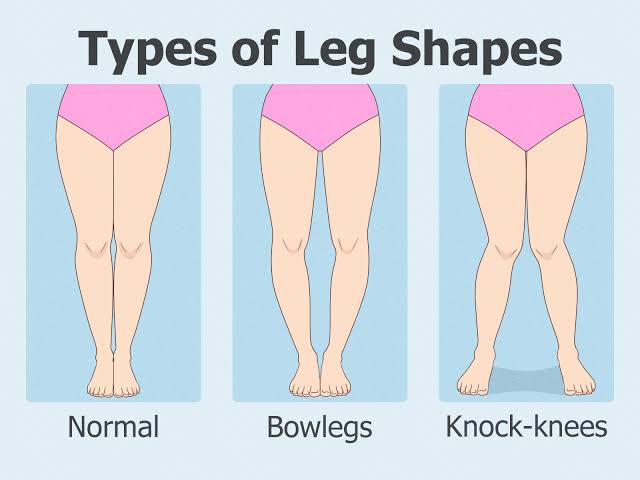
One of the main factors influencing the appearance of the thighs is a person’s individual skeletal structure. The width and shape of the pelvis, the alignment of the thigh bones, and the proportions of the hips can all affect how the legs sit when someone stands.
Because these characteristics vary naturally, two women with similar heights and weights can have noticeably different body shapes. One may have a visible gap between the thighs, while the other’s thighs may touch when standing in a relaxed position.
These differences do not automatically indicate that one person is healthier, fitter, or more attractive than the other. They simply reflect the variety of human anatomy.
2. Genetics Can Influence Body Shape
Genetics plays an important role in determining many aspects of physical appearance, including skeletal proportions and the way the body naturally distributes fat and develops muscle.
This helps explain why people can follow similar exercise routines and eating patterns yet have different body shapes. A particular appearance is not always something that can be achieved through exercise because some structural characteristics are largely determined by genetics.
For this reason, a thigh gap should not be treated as a universal fitness goal. People can improve their strength, endurance, and overall health without developing a particular shape between their thighs.
3. Body Composition Can Affect the Appearance of the Thighs
Muscle development and body-fat distribution can also influence how the thighs look. Some people naturally carry more body fat around their hips and thighs, while others have different patterns of fat distribution.
These differences can occur among people with a wide range of body sizes.
However, body composition is only one part of the explanation. Someone’s skeletal structure may have a considerable influence on whether their thighs touch, even when their overall body weight changes.
Trying to force the body into a particular appearance through extreme dieting or excessive exercise can be harmful. A healthier approach focuses on strength, mobility, balanced nutrition, and sustainable habits rather than pursuing one specific physical feature.
4. Posture Can Change What You See
The way someone stands can affect the appearance of their legs. Small differences in foot placement, hip position, and weight distribution may create a more noticeable space between the thighs or make an existing gap appear smaller.
Photographs can exaggerate these differences because camera angles, lighting, clothing, and positioning influence how body proportions appear.
This is one reason online images should not be used as reliable standards for comparing bodies. A carefully posed photograph may not accurately represent how a person looks during ordinary daily activities.
A single image also cannot provide a complete picture of someone’s health, fitness, or physical condition.
5. A Thigh Gap Does Not Reveal Personality
Some online posts claim that a woman’s body shape can reveal whether she is confident, independent, sensitive, or naturally outgoing. These interpretations may attract attention, but there is no reliable basis for treating the space between someone’s thighs as a personality test.
Personality develops through a complicated combination of individual characteristics, experiences, relationships, environment, and personal choices.
A person’s physical proportions cannot establish whether she is kind, intelligent, loyal, ambitious, or emotionally mature. These qualities become apparent through behavior and interactions rather than measurements of the body.
It is therefore more accurate to understand a thigh gap as an anatomical variation instead of assigning it psychological meaning.
6. It Does Not Reveal Someone’s Private Life
Another misconception is that the shape of a woman’s legs can reveal details about her personal relationships or private experiences. This is not supported by anatomy.
Physical appearance cannot reliably establish someone’s relationship history, personal preferences, or private behavior. Such assumptions can encourage unfair judgments and reinforce stereotypes about women’s bodies.
Respecting personal privacy means recognizing that people should not have their experiences or character inferred from ordinary physical features.
If someone wishes to share personal information, that decision belongs to them. Their appearance is not evidence that gives strangers permission to make conclusions about their private lives.
7. Not Having a Thigh Gap Is Completely Normal
Many women naturally have thighs that touch when standing. This is a normal variation and does not automatically mean someone is overweight or physically unfit.
Hip structure, the alignment of the legs, muscle development, and the distribution of body fat all contribute to individual differences.
Unfortunately, social media trends can make one particular body shape seem like the ideal. Repeated exposure to carefully selected images may cause people to compare themselves with unrealistic expectations.
It is important to remember that bodies do not need to look identical to be healthy. A person can be physically active, strong, and healthy without having a thigh gap.
8. Healthy Habits Matter More Than Appearance
A person’s overall well-being cannot be judged by the shape of their thighs. More meaningful indicators include physical function, energy levels, cardiovascular health, nutritional habits, and the ability to carry out everyday activities.
Regular movement, balanced meals, sufficient sleep, and appropriate healthcare can support general health. The right approach will vary depending on individual needs, age, and medical circumstances.
Exercise can help improve strength and endurance, but it cannot change every aspect of skeletal structure. Understanding this distinction can prevent unnecessary frustration and discourage unrealistic fitness goals.
Instead of focusing exclusively on appearance, it is more useful to choose habits that support long-term health and quality of life.
9. Why These Myths Spread Online
Sensational headlines often use incomplete statements to create curiosity. A phrase such as “What the space between a woman’s legs means” encourages readers to click because it suggests that a hidden explanation is about to be revealed.
However, a headline’s popularity does not establish the accuracy of its claims.
Social media can spread misinformation quickly when posts rely on dramatic language rather than credible evidence. Once a claim is repeated by enough accounts, readers may begin to assume that it must be true.
A useful habit is to ask whether a claim is supported by trustworthy medical or scientific information. If a post assigns personality traits or private experiences to a physical feature without credible evidence, it should be treated with skepticism.
10. Every Body Has Its Own Natural Proportions
Human bodies vary in height, hip width, leg length, muscle distribution, and many other characteristics. These differences are a normal part of human diversity.
There is no single shape that every woman should try to achieve. What looks natural for one person may be entirely different for another, even when both have similar lifestyles.
Learning to appreciate this diversity can help reduce unnecessary comparisons and encourage a more balanced attitude toward physical appearance.
Rather than viewing normal differences as flaws, people can recognize that individual anatomy is influenced by many factors and cannot be reduced to one ideal measurement.
Final Thoughts
The space between a woman’s thighs does not have a secret universal meaning. Its appearance is primarily influenced by natural anatomy, genetics, body composition, and posture.
It cannot reliably reveal someone’s personality, health, relationship history, or personal worth. Nor is having a visible gap a requirement for being fit or healthy.
The most useful lesson is that human bodies naturally differ, and these differences do not need to be judged against a single standard. Healthy habits, self-respect, and accurate information are far more valuable than trying to interpret or change every aspect of physical appearance.
When an online headline promises to reveal a hidden truth about someone’s body, it is worth looking beyond the sensational wording. Sometimes the most accurate explanation is simply that natural human variation is normal.