

Small, painful bumps on your hands or feet can be uncomfortable and sometimes alarming, especially when they appear suddenly. You may notice itching, burning, redness, swelling, or tiny fluid-filled blisters that make everyday activities difficult.
One possible explanation is dyshidrotic eczema, a type of eczema that commonly affects the palms of the hands, sides of the fingers, and soles of the feet. However, several other skin conditions can produce similar-looking bumps, so it is important not to assume that every rash is dyshidrotic eczema.
Understanding the common signs, possible triggers, and when to seek professional advice can help you take better care of your skin.
What Is Dyshidrotic Eczema?
Dyshidrotic eczema, also called dyshidrosis or pompholyx, is a skin condition characterized by small, often intensely itchy blisters.
The blisters usually appear on the hands or feet and may occur in clusters. They can be tiny but extremely uncomfortable.
According to the American Academy of Dermatology, dyshidrotic eczema can cause small, deep-seated blisters that may itch or burn. After the blisters dry, the affected skin can become dry, cracked, flaky, or irritated. (aad.org)
The condition can affect people of different ages, although some individuals experience repeated flare-ups over time.
What Do the Bumps Usually Look Like?
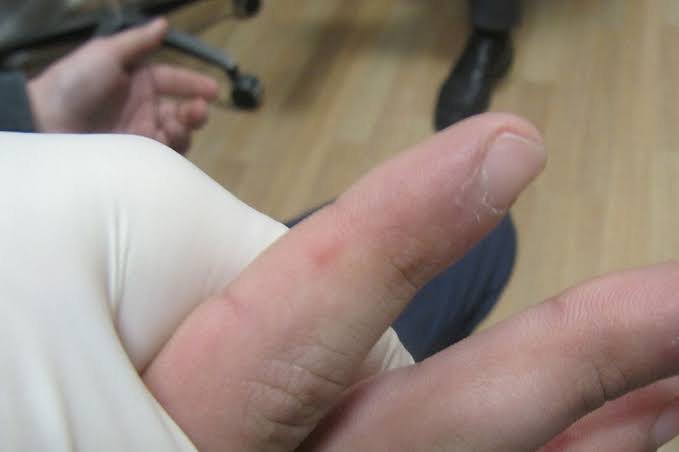
The appearance of dyshidrotic eczema can vary, but the classic sign is small blisters filled with clear fluid.
They may appear along the sides of the fingers, palms, toes, or soles of the feet.
In some cases, the blisters are so small that they look like tiny bumps beneath the surface of the skin. Several may appear close together.
The affected area can become red, swollen, itchy, or painful.
As the blisters heal, the skin may peel or become dry and cracked.
Because other skin conditions can produce blisters or red bumps, appearance alone is not always enough to make a diagnosis.
Itching Can Be One of the First Signs
For many people, itching is one of the most noticeable symptoms.
The itching may range from mild to intense and can become particularly frustrating when the affected area is on the hands or feet.
Scratching can temporarily relieve the sensation but may damage the skin and increase the risk of infection.
Keeping fingernails short and avoiding scratching as much as possible can help protect irritated skin.
If itching becomes severe or interferes with sleep and daily activities, a healthcare professional can recommend appropriate treatment.
Burning and Pain Can Also Occur
Although dyshidrotic eczema is often associated with itching, some people experience burning, tenderness, or pain.
This may become more noticeable when the skin becomes dry or cracked.
Hands and feet are constantly exposed to friction and pressure, so damaged skin in these areas can be particularly uncomfortable.
Walking may become painful when cracks or irritated areas develop on the soles of the feet.
Similarly, hand involvement can make tasks such as washing dishes, typing, cooking, or opening containers uncomfortable.
What Causes Dyshidrotic Eczema?
The exact cause is not completely understood.
Dyshidrotic eczema appears to involve a combination of genetic, immune, environmental, and skin-barrier factors.
Some people notice that flare-ups occur during periods of stress, hot weather, or increased sweating.
Exposure to certain metals, such as nickel or cobalt, can also be associated with dyshidrotic eczema in some individuals.
The American Academy of Dermatology notes that people who frequently develop dyshidrotic eczema may have triggers that contribute to their flare-ups. (aad.org)
Identifying personal triggers can be useful, although triggers can differ from one person to another.
Stress May Play a Role
Stress does not necessarily cause dyshidrotic eczema by itself, but it may contribute to flare-ups in some people.
Periods of emotional stress can influence inflammatory and immune processes and may worsen several types of eczema.
If you notice that your symptoms appear during particularly stressful periods, paying attention to stress-management habits may be worthwhile.
Regular sleep, physical activity, relaxation techniques, and maintaining a manageable daily routine can support overall well-being.
Stress management should complement—not replace—appropriate treatment for eczema.
Heat and Sweating Can Be Triggers
Some people notice flare-ups during hot weather or after activities that cause significant sweating.
Hands and feet can become particularly sweaty, creating an environment that may aggravate sensitive skin.
If heat appears to trigger your symptoms, keeping the skin cool and dry when practical may help.
Breathable footwear and moisture-wicking socks can be useful for people who experience symptoms on their feet.
However, excessive washing or harsh cleansing can also irritate the skin, so the goal is to maintain a healthy skin barrier rather than repeatedly scrubbing the affected area.
Certain Metals May Be Associated With Flare-Ups
Nickel and cobalt exposure can trigger or worsen eczema in some people.
These metals can be found in various everyday objects, including certain jewelry, tools, coins, and other metal items.
Not everyone with dyshidrotic eczema is sensitive to metals, so eliminating every possible source is not necessarily necessary.
If your flare-ups repeatedly occur after particular exposures, a dermatologist may be able to determine whether contact allergy testing would be useful.
Is Dyshidrotic Eczema Contagious?
No. Dyshidrotic eczema is not considered contagious.
You cannot catch it from another person through normal physical contact.
This is important because some people may worry that a blistering rash means they have an infection that can spread to family members.
However, irritated or broken skin can become infected by bacteria, so changes such as increasing warmth, swelling, pus, worsening pain, or fever should be evaluated.
How Is It Diagnosed?
A healthcare professional, often a dermatologist, can usually diagnose dyshidrotic eczema by examining the skin and discussing your symptoms.
There is not always a single test that confirms the condition.
Your medical history, the location and appearance of the rash, and the pattern of flare-ups can all help.
If another condition is suspected, your healthcare provider may recommend additional testing.
This is one reason it is better not to rely solely on photographs or online descriptions when a rash is persistent or severe.
Treatment Depends on the Severity
Treatment can vary depending on how severe the symptoms are.
For some people, moisturizing regularly and avoiding known triggers can help reduce irritation.
During flare-ups, dermatologists may recommend topical medications designed to reduce inflammation.
The American Academy of Dermatology lists several treatment approaches for dyshidrotic eczema, including moisturizers, topical corticosteroids, and other prescription treatments depending on the individual situation. (aad.org)
Severe or recurring cases may require additional treatment under medical supervision.
Moisturizing Is Important
Keeping the skin moisturized is an important part of eczema care.
Dry skin can weaken the skin barrier and make irritation more likely.
A thick, fragrance-free cream or ointment may be more helpful than a lightweight lotion for very dry skin.
Applying moisturizer after washing can help reduce moisture loss.
If a particular product causes burning or irritation, stop using it and consider discussing alternatives with a healthcare professional.
Be Careful With Harsh Soaps
Frequent exposure to harsh soaps, detergents, cleaning chemicals, and other irritants can worsen sensitive skin.
People whose hands are frequently exposed to water or cleaning products may notice more irritation.
Using gentle, fragrance-free cleansers and wearing appropriate protective gloves during household cleaning may help reduce exposure.
However, gloves should not cause excessive sweating for prolonged periods, since moisture and heat can also irritate some people’s skin.
Don’t Pop the Blisters
It can be tempting to pop small blisters, especially when they feel uncomfortable.
However, breaking the skin can increase the risk of infection and delay healing.
Allowing blisters to heal naturally is generally safer.
If a blister becomes extremely painful, repeatedly breaks, or appears infected, seek medical advice rather than trying to treat it aggressively at home.
Other Conditions Can Look Similar
Not every painful bump or blister on the hands or feet is dyshidrotic eczema.
Fungal infections, allergic contact dermatitis, bacterial infections, psoriasis, scabies, insect reactions, and other skin conditions can sometimes produce similar symptoms.
For example, athlete’s foot can cause itching and irritation on the feet, while contact dermatitis may develop after exposure to a particular irritant or allergen.
Because treatments differ, an incorrect diagnosis can sometimes make symptoms worse.
If you are unsure what is causing the bumps, professional evaluation is the safest approach.
When Should You See a Dermatologist?
Consider seeking medical advice if the rash is persistent, repeatedly returns, spreads, becomes increasingly painful, or interferes with normal activities.
You should also seek professional evaluation if you develop signs that could suggest an infection, such as pus, increasing warmth, swelling, severe tenderness, or fever.
If the skin condition is affecting your sleep or making it difficult to work, exercise, walk, or use your hands normally, treatment may help improve your quality of life.
Final Thoughts
Painful or itchy bumps on your hands or feet can have many causes, and dyshidrotic eczema is one possibility.
The condition commonly produces small, deep-seated, fluid-filled blisters that can itch, burn, or become painful. After a flare-up, the skin may become dry, cracked, and irritated. (aad.org)
Triggers vary between individuals, but heat, sweating, stress, and certain metal exposures may contribute to flare-ups in some people.
Gentle skin care, regular moisturizing, avoiding known irritants, and appropriate medical treatment can help manage symptoms. Prescription treatments may be necessary when symptoms are significant or recurring. (aad.org)
Most importantly, don’t assume that every blistering or painful rash is eczema. If the bumps persist, become severe, or develop signs of infection, a healthcare professional can help determine the cause and recommend the appropriate treatment.
Your skin can provide useful clues about your overall health, but the best way to understand persistent changes is through proper medical evaluation rather than self-diagnosis.