




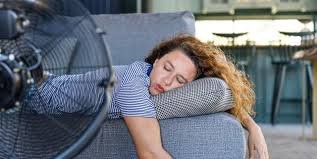
Many people find it soothing to sleep with a fan running. The gentle hum and cool air can make a hot night feel more comfortable. But while a fan might seem like the perfect sleep companion, health experts warn that using one every night may not be as harmless as it appears.
From triggering allergies to causing stiff muscles, sleeping with a fan blowing directly on you could come with side effects you’ve never considered. In this article, we’ll explore the hidden reasons why you may want to think twice before turning on your fan at bedtime.
The Comfort of Sleeping With a Fan
There’s no denying the appeal of sleeping with a fan. The white noise masks background sounds, creating a calming environment. For those living in hot climates or during summer months, fans provide a budget-friendly way to keep cool at night.
However, just because something feels comfortable doesn’t always mean it’s healthy in the long run. Fans can have hidden downsides that affect your breathing, skin, and muscles while you sleep.
1. Fans Can Trigger Allergies and Asthma
One of the biggest concerns with sleeping near a fan is the circulation of dust, pollen, and other allergens in the air. Fans don’t just move cool air around—they also blow microscopic particles straight into your nose, throat, and lungs.
If you suffer from allergies, asthma, or sinus issues, this constant flow of allergens can worsen your symptoms. Common effects include:
- Stuffy or runny nose
- Sneezing at night or in the morning
- Dry, irritated throat
- Nighttime asthma flare-ups
Even people who don’t normally struggle with allergies may notice nasal congestion after sleeping with a fan for several nights.
2. Dry Eyes, Skin, and Throat
Fans create a drying effect in the room, especially if they are directed at your face or body. Overnight, this can cause:
- Dry eyes – Particularly uncomfortable for people who already suffer from eye conditions or wear contact lenses.
- Dry throat – Waking up with a sore or scratchy throat is common after prolonged exposure to a fan.
- Dry skin – Continuous airflow can dehydrate your skin, leading to itching, flaking, or irritation.
This constant dryness not only makes sleep less restful but may also weaken your body’s natural protective barriers.
3. Muscle Stiffness and Cramps
Have you ever woken up with a stiff neck or sore shoulders after sleeping with a fan blowing directly on you? That’s because cold air causes muscles to tense up. When this happens for hours overnight, it can lead to morning stiffness or even painful cramps.
Sleeping with a fan blowing on one side of your body can also create uneven cooling, which may strain certain muscles. Over time, this can contribute to chronic discomfort.
4. Worsening Sinus Problems
Fans not only dry out the airways but also encourage mucus to thicken. When your nasal passages dry up, mucus can become sticky and harder to clear. This increases your risk of developing sinus infections or waking up feeling congested.
For those already prone to sinus problems, a fan at night can make mornings especially uncomfortable.
5. Circulates Dust and Mold
Another hidden risk of using a fan is that it doesn’t just cool the air—it moves everything in the air around the room. If you have dust, pet dander, or even mold in your bedroom, the fan will spread these particles everywhere.
Breathing in these irritants nightly can cause:
- Nighttime coughing
- Breathing difficulties
- Aggravated asthma
- Poor sleep quality
This is especially problematic if the fan blades or surrounding area aren’t cleaned regularly.
6. Can Disrupt Sleep Quality
While many people rely on the white noise of a fan to sleep, some studies suggest that the constant airflow may actually interrupt sleep cycles. The drying effects, discomfort from muscle stiffness, and increased congestion can cause restless sleep and more frequent awakenings.
Poor sleep quality not only makes you feel tired the next day but also impacts long-term health, including immune function and mental clarity.
What To Do Instead of Sleeping With a Fan
If you love your fan, don’t worry—you don’t necessarily have to give it up completely. There are ways to enjoy its benefits while minimizing the risks.
- Keep the fan clean – Dust the blades weekly to avoid spreading allergens.
- Don’t aim the fan directly at your body – Let it circulate air in the room instead.
- Use a timer – Run the fan for the first hour of sleep, then turn it off.
- Try an air purifier – This provides white noise and circulation without allergens.
- Stay hydrated – Drink water before bed to reduce dryness.
- Use a humidifier – Balances out the drying effects of a fan.
Final Thoughts
Sleeping with a fan can feel like a lifesaver on hot nights, but it comes with hidden downsides that may affect your health. From allergies and sinus problems to dry skin and muscle stiffness, the risks are worth considering.
If you absolutely can’t sleep without a fan, simple adjustments—like cleaning it often, pointing it away from your body, and balancing humidity levels—can make it safer.
Ultimately, good sleep should leave you refreshed, not congested, stiff, or dried out. By being mindful of how you use your fan, you can enjoy comfort at night while protecting your health.