




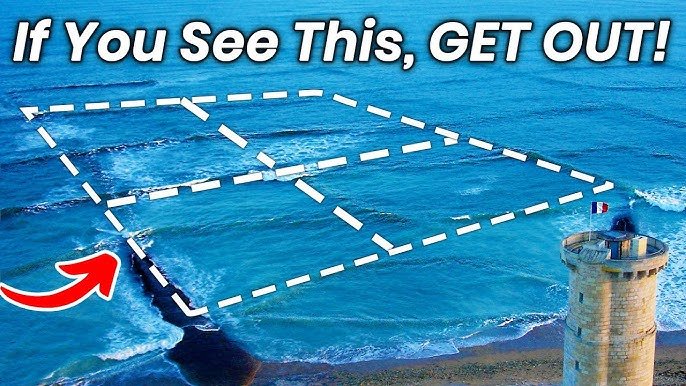
The ocean is full of beauty and wonder, but it can also be unpredictable and dangerous. While most beachgoers are familiar with rip currents or strong tides, fewer people know about a rare but extremely hazardous phenomenon called square waves.
Also known as a cross sea, this natural occurrence creates a mesmerizing checkerboard pattern on the water’s surface. It may look beautiful from the shore, but if you are in the water when it happens, it can be deadly.
Knowing what square waves are, how they form, and why they’re dangerous could one day save your life.
What Are Square Waves?
Square waves happen when two sets of waves moving in different directions meet at almost a perfect right angle. Instead of the normal parallel wave patterns you see at the beach, the water appears to form a grid-like or checkerboard pattern.
This phenomenon is not an optical illusion—it is the result of two distinct weather systems creating different wave trains that intersect on the ocean’s surface. The crossing of these waves creates powerful, unpredictable conditions beneath the water.
How Do Square Waves Form?
Square waves usually occur far from shore, but under certain conditions, they can reach beaches and shallow waters. They form when:
- Two weather systems meet – For example, one storm system may have already passed, creating long swells in one direction, while a new weather system produces waves coming from another direction.
- Strong tidal currents – Sometimes the meeting of powerful currents from opposite directions can create a similar effect.
- Shifting winds – Rapid changes in wind direction can alter wave patterns and cause them to cross at sharp angles.
These crossings create areas of extreme turbulence below the surface. While the surface pattern may look calm in places, the currents underneath can be chaotic and violent.
Why Are Square Waves Dangerous?
Square waves create cross currents that can pull swimmers, surfers, and even boats in different directions at once. This makes it extremely difficult to stay afloat or swim to safety.
Some of the main dangers include:
- Strong, unpredictable currents – These can drag swimmers away from shore or deeper underwater.
- Loss of control for boats – Even experienced sailors can struggle in a cross sea, as the waves hit from multiple sides.
- Increased drowning risk – The confusion of currents can exhaust even strong swimmers in a matter of minutes.
In fact, the International Journal of Naval Architecture and Ocean Engineering has noted that cross seas are responsible for many boating accidents and drowning incidents worldwide.
Real-Life Examples of Square Wave Incidents
- Île de Ré, France – This small island off the French coast is famous for its beautiful square wave patterns, which attract tourists and photographers. However, local authorities warn visitors to admire them only from land, as strong currents have caused numerous rescues over the years.
- New Zealand and South Africa – Fishermen in these areas have reported sudden cross seas that capsized small boats without warning.
How to Recognize Square Waves
If you are at the beach or on a boat, here’s what to look for:
- Waves moving in two clear directions at once.
- A grid-like or diamond pattern on the water’s surface.
- An unusual “crisscross” effect where wave crests intersect sharply.
If you spot these conditions, stay out of the water. Even if the waves don’t look particularly big, the danger lies beneath the surface.
What to Do If You’re Caught in Square Waves
If you are in the water when square waves appear:
- Stay calm – Panic wastes energy and makes it harder to think clearly.
- Don’t fight the current – Trying to swim directly against it will tire you out quickly.
- Swim diagonally or sideways – Move at an angle to escape the strongest pull before heading toward shore.
- Signal for help – Wave your arms or call out if others are nearby.
If you are in a boat, turn the bow into the oncoming waves at a safe angle to prevent capsizing.
Safety Tips to Avoid Danger
- Check marine weather forecasts before swimming, surfing, or sailing.
- Observe the water for unusual patterns before entering.
- Heed local warnings – If lifeguards or posted signs warn about dangerous currents, take them seriously.
- Stay close to shore – In unfamiliar locations, avoid swimming too far out.
The Science Behind Their Beauty
While square waves can be dangerous, they are also fascinating from a scientific perspective. They demonstrate the complex interactions between wind, water, and weather systems.
The patterns are a type of wave interference, where two wave systems meet and combine. When they meet at right angles, the resulting surface looks like a giant ocean chessboard—an impressive reminder of nature’s power and unpredictability.
Where Square Waves Are Commonly Seen
Some locations where square waves are known to appear include:
- Île de Ré, France
- Coastal Portugal
- Parts of New Zealand
- South Africa
- Certain regions of the North Sea
In these areas, they are often considered a natural attraction, but locals are well aware of their dangers.
Final Thoughts
Square waves may be rare, but they are among the most dangerous ocean conditions you can encounter. Their beauty can be deceiving—what looks like a mesmerizing pattern from the beach can hide powerful currents capable of pulling even strong swimmers under.
If you ever see the ocean forming a perfect crisscross pattern, stay on shore and admire it from a safe distance. Knowing how to recognize and avoid square waves could save your life or the lives of others.
The ocean is a place of wonder, but respecting its power is the key to staying safe.