




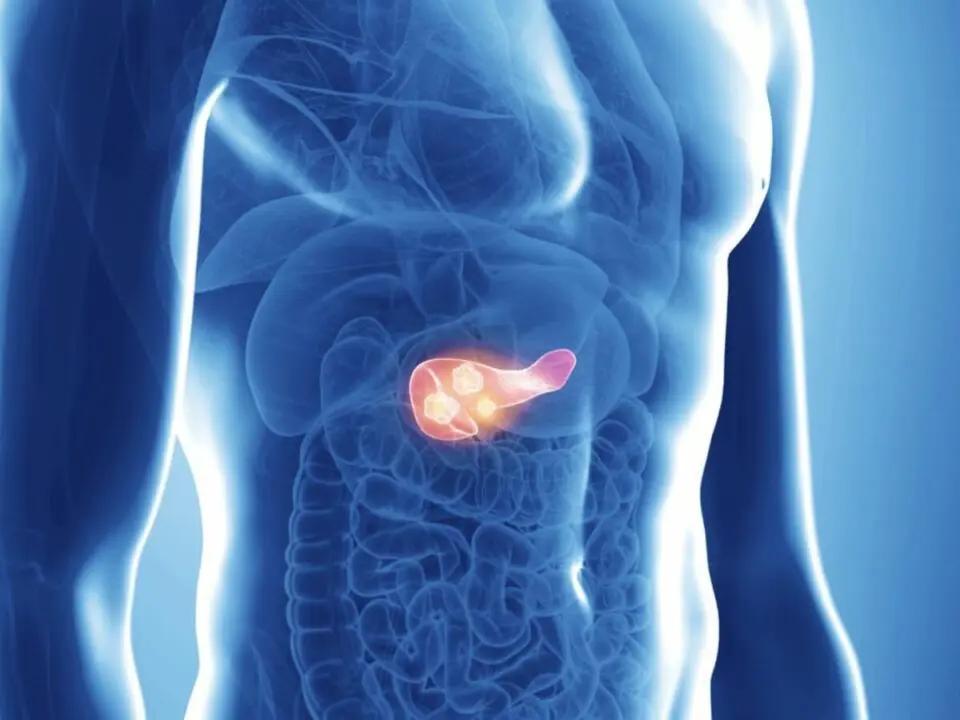
Pancreatic cancer is one of the most serious types of cancer because it is often diagnosed at a late stage. The pancreas, a small organ located behind the stomach, plays a crucial role in digestion and blood sugar regulation. Unfortunately, cancer in this organ usually develops quietly, with symptoms that can be vague or mistaken for other conditions.
By the time clear symptoms appear, the cancer may have already spread, making treatment more challenging. This is why awareness of early warning signs is so important. Recognizing symptoms and seeking medical advice quickly can greatly improve the chances of successful treatment.
Why Pancreatic Cancer Is Often Missed Early
The pancreas is hidden deep inside the abdomen, so tumors are not easily felt during a physical exam. In addition, early symptoms—such as mild stomach discomfort or changes in appetite—are often overlooked or confused with more common digestive problems.
Because of this, pancreatic cancer is sometimes called a “silent killer.” By the time it causes strong, noticeable symptoms, it is often already in an advanced stage.
The Importance of Early Detection
When pancreatic cancer is found early—before it has spread beyond the pancreas—treatment options like surgery, chemotherapy, or radiation can be more effective. Early detection can also significantly increase survival rates.
That’s why paying attention to subtle and persistent changes in your body is key. If you experience several of the following symptoms for more than a couple of weeks, it’s important to speak with a healthcare professional.
Signs and Symptoms to Look Out For
1. Unexplained Weight Loss
Sudden, unplanned weight loss without changes in diet or exercise can be a red flag. This happens because pancreatic cancer can interfere with digestion and nutrient absorption, leading to loss of body fat and muscle.
2. Loss of Appetite
If you find yourself eating much less than usual or feeling full quickly, it could be related to changes in how the pancreas works. Persistent loss of appetite should be checked by a doctor.
3. Abdominal or Back Pain
One of the more common early symptoms is dull pain in the upper abdomen that may radiate to the back. This discomfort is often worse when lying down and may improve when leaning forward.
4. Jaundice (Yellowing of Skin and Eyes)
A tumor in the pancreas can block the bile duct, leading to a buildup of bilirubin in the blood. This causes the skin and the whites of the eyes to turn yellow. Jaundice may also cause dark urine and pale stools.
5. Changes in Stool
Because the pancreas produces enzymes needed for digestion, a tumor can cause fatty, pale, or greasy stools that float and are difficult to flush. These changes are due to poor fat absorption.
6. New-Onset Diabetes
In some cases, pancreatic cancer affects the part of the pancreas that produces insulin, leading to sudden diabetes or difficulty controlling blood sugar in people who were previously stable.
7. Nausea and Vomiting
A tumor can press on the stomach, making it difficult for food to pass through. This can cause nausea, vomiting, and a feeling of bloating, especially after eating.
8. Fatigue
Unexplained tiredness that doesn’t improve with rest can be a sign of many illnesses, including pancreatic cancer. Fatigue is often caused by the body’s response to the cancer and the strain it puts on the immune system.
9. Itchy Skin
Increased levels of bile salts in the skin due to blocked bile ducts can cause persistent itching, even without a visible rash.
Risk Factors to Be Aware Of
While anyone can develop pancreatic cancer, certain factors increase the risk:
- Age – Most cases occur in people over 60.
- Smoking – Tobacco use is a significant risk factor.
- Family history – Having close relatives with pancreatic cancer increases risk.
- Chronic pancreatitis – Long-term inflammation of the pancreas can lead to damage.
- Obesity – Excess body weight may contribute to pancreatic cancer development.
- Certain genetic conditions – Such as BRCA mutations.
Knowing your risk can help you and your doctor decide on screening or monitoring options.
When to See a Doctor
You should see a doctor promptly if you experience:
- Jaundice, even without pain.
- Persistent abdominal pain that radiates to the back.
- Unexplained weight loss or appetite changes.
- Ongoing digestive problems without a clear cause.
The doctor may order blood tests, imaging scans like CT or MRI, and sometimes an endoscopic ultrasound to look closely at the pancreas.
How Pancreatic Cancer Is Treated
Treatment depends on the stage at diagnosis and the patient’s overall health. Common options include:
- Surgery – To remove the tumor, sometimes including part of the pancreas or nearby organs.
- Chemotherapy – Uses drugs to kill cancer cells or stop them from growing.
- Radiation therapy – Targets cancer cells with high-energy rays.
- Targeted therapy – Focuses on specific cancer cell features.
- Palliative care – Helps manage symptoms and improve quality of life for advanced cases.
Can Pancreatic Cancer Be Prevented?
There is no guaranteed way to prevent pancreatic cancer, but certain lifestyle changes can lower risk:
- Quit smoking – Avoid all tobacco products.
- Maintain a healthy weight – Aim for a balanced diet and regular exercise.
- Limit alcohol – Excessive drinking can harm the pancreas.
- Eat a healthy diet – Focus on fruits, vegetables, whole grains, and lean proteins.
Final Thoughts
Pancreatic cancer is aggressive and often diagnosed late, but early detection can make a real difference. By understanding and recognizing the warning signs—such as unexplained weight loss, abdominal pain, jaundice, and changes in stool—you can take action sooner.
If you notice symptoms that persist for more than a couple of weeks, especially if you have risk factors, don’t ignore them. Speak with a healthcare professional, as early evaluation could save your life.
Your health is worth protecting, and staying informed is the first step toward prevention and early detection.