




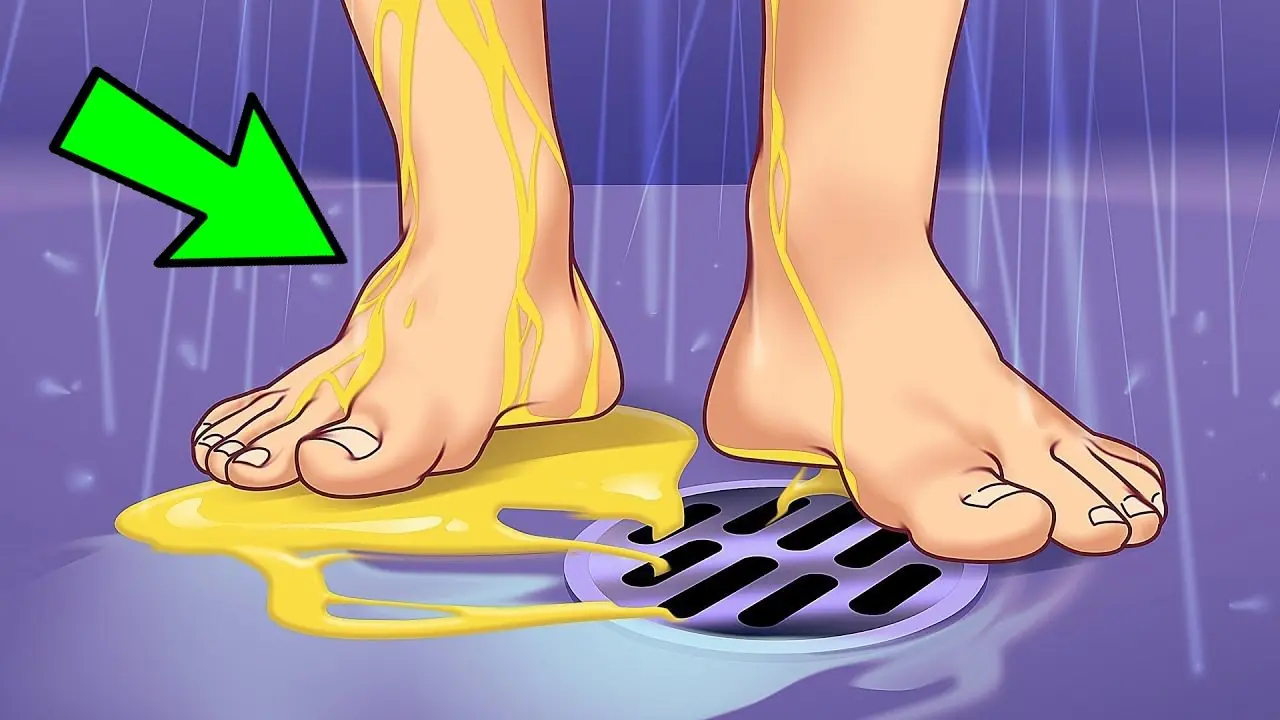
Many people admit to peeing in the shower, often thinking it’s harmless or even practical. After all, it saves time, conserves water, and seems like an easy way to multitask. While it may sound like a clever life hack, doctors warn that for women, this habit may not be as safe as it seems.
Health experts explain that peeing in the shower could lead to long-term bladder issues, create unhealthy bathroom habits, and even increase the risk of infections. So before you consider it just a convenient shortcut, let’s explore why medical professionals strongly advise women not to make a habit of it.
Why Do People Pee in the Shower?
The idea of peeing in the shower isn’t new. Many people admit to doing it for reasons like:
- Convenience – It saves time in the morning routine.
- Water conservation – Belief that it reduces toilet flushes and saves water.
- Hygiene assumption – Some assume it’s cleaner because urine is “washed away” immediately.
- Habit – For some, it becomes an unconscious routine.
But just because something seems harmless doesn’t mean it has no consequences.
Doctors Explain: Why Women Shouldn’t Pee in the Shower
While occasional urination in the shower may not cause harm, making it a regular habit can negatively affect women’s health in surprising ways. Here are the main reasons doctors say women should avoid it:
1. It Can Train the Bladder in Harmful Ways
When you pee in the shower, your brain begins to associate the sound of running water with the need to urinate. Over time, this creates a reflex called conditioned urination.
For women, this can lead to:
- Overactive bladder – Feeling the urge to urinate even when the bladder isn’t full.
- Bathroom urgency – Needing to rush to the bathroom whenever hearing water running (like washing dishes, turning on a tap, or even hearing rain).
This bladder training may not show effects immediately, but long-term it increases the risk of urinary urgency problems.
2. Women’s Anatomy Makes It Riskier
Unlike men, women’s anatomy doesn’t allow them to fully empty their bladder while standing. Men can naturally urinate while standing, but for women, urinating in an upright shower position often prevents complete emptying.
This can:
- Leave small amounts of urine in the bladder.
- Increase the risk of urinary tract infections (UTIs).
- Cause discomfort or irritation.
Doctors emphasize that the bladder empties best in a seated position, which is why toilets are designed for this purpose.
3. Risk of Weakening Pelvic Floor Muscles
For women, pelvic floor health is very important. These muscles support the bladder, uterus, and bowel. When women urinate in the shower while standing, they may rely on pelvic floor relaxation in an unnatural position.
Over time, this could contribute to:
- Weaker pelvic floor support.
- Greater risk of incontinence (leaking urine when sneezing, coughing, or exercising).
- Pelvic discomfort.
Women already face challenges like pregnancy, childbirth, and hormonal changes that affect pelvic health, so adding unnecessary strain increases long-term risks.
4. Hygiene Concerns
While urine is generally sterile when it leaves the body, it can still contain bacteria and waste products. Peeing in the shower may not immediately cause harm, but:
- Urine can splash on legs and feet, which isn’t as clean as flushing it away.
- Shared showers increase hygiene concerns, especially if multiple people use the same bathroom.
- Bacteria from urine may mix with soap scum and mold, making the environment less sanitary.
5. It’s Not the Water-Saving Hack People Think
Many believe peeing in the shower saves water by reducing toilet flushes. However, doctors and environmental experts note that the amount of water saved is minimal compared to the potential health trade-offs.
A better way to conserve water is simply to use low-flush toilets or be mindful about flushing only when necessary.
What Women Should Do Instead
If you often feel the urge to pee in the shower, here are healthier alternatives:
- Go before you bathe – Make it a routine to use the toilet right before stepping into the shower.
- Strengthen bladder habits – Train your bladder to hold urine until it’s truly time to go.
- Pelvic floor exercises – Kegel exercises can strengthen bladder control and prevent leaks.
- Stay hydrated – Drinking enough water helps regulate bladder function and reduces the risk of infections.
What About Men?
Men can sometimes get away with peeing in the shower without the same risks, simply because of their anatomy. Their bladder can empty more fully while standing, and they are less likely to suffer from pelvic floor complications in this context.
However, even for men, it’s still not the most hygienic or recommended practice.
Final Thoughts
Peeing in the shower may seem like a harmless shortcut, but for women, doctors warn it comes with potential health consequences. From bladder training problems to pelvic floor weakness and increased UTI risk, this habit is better avoided.
The safest and healthiest choice is to use the toilet before showering and maintain strong bladder habits. Small daily habits have long-term effects, and protecting your urinary health is worth the extra step.
So next time you step into the shower, remember: it’s better to keep it a place for washing—not for peeing.