




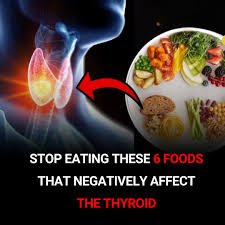
Your thyroid is a small, butterfly-shaped gland in the front of your neck, but it plays a big role in your overall health. It produces hormones that regulate metabolism, energy levels, heart rate, body temperature, and even mood. When the thyroid isn’t working properly—either underactive (hypothyroidism) or overactive (hyperthyroidism)—you may experience fatigue, weight changes, hair loss, digestive issues, and more.
While genetics, stress, and other health conditions can affect thyroid function, your diet is also an important factor. Some foods can interfere with thyroid hormone production, disrupt iodine absorption, or trigger inflammation. If you already have a thyroid disorder or are at risk, limiting or avoiding certain foods could make a big difference in your health.
Here are six foods you should consider reducing or avoiding to protect your thyroid function.
1. Soy Products
Soybeans and soy-based foods—such as soy milk, tofu, soy protein powder, and soy sauce—are high in compounds called isoflavones. While isoflavones are plant-based estrogens with some health benefits, they can also interfere with your thyroid.
For people with hypothyroidism, soy can reduce the body’s ability to absorb levothyroxine, a common thyroid medication. Additionally, soy isoflavones can slow down thyroid hormone production by interfering with the activity of thyroid peroxidase, an enzyme that helps produce these hormones.
If you enjoy soy, consider limiting it to small amounts and avoid eating it at the same time as your thyroid medication. Waiting at least 3–4 hours between the two can help prevent absorption problems.
2. Cruciferous Vegetables (Raw)
Broccoli, cauliflower, Brussels sprouts, kale, cabbage, and bok choy are all part of the cruciferous vegetable family. These vegetables are rich in nutrients, antioxidants, and fiber—but when eaten raw in large amounts, they can affect thyroid health.
Cruciferous veggies contain goitrogens, substances that can interfere with the thyroid’s ability to use iodine, an essential mineral for hormone production. Without enough iodine, the thyroid may enlarge (a condition called goiter) and function less efficiently.
Cooking cruciferous vegetables significantly reduces their goitrogenic effect. If you have thyroid issues, enjoy these veggies cooked instead of raw and keep portions moderate.
3. Gluten-Containing Foods
Gluten is a protein found in wheat, barley, and rye. In some people—especially those with autoimmune thyroid disorders like Hashimoto’s thyroiditis or Graves’ disease—gluten can trigger an immune system reaction that worsens inflammation and damages thyroid tissue.
Studies have shown that people with autoimmune thyroid problems are more likely to have celiac disease, an immune disorder triggered by gluten. For them, avoiding gluten completely can help reduce symptoms, balance thyroid hormone levels, and improve digestion.
If you suspect gluten sensitivity or have an autoimmune thyroid condition, talk to your doctor about testing for celiac disease. Even without celiac, trying a gluten-free diet for a few weeks may help you notice improvements in your energy and mood.
4. Processed Foods High in Sugar and Unhealthy Fats
Cakes, cookies, chips, fried snacks, fast food, and packaged desserts may be convenient and tasty, but they can be harmful to your thyroid.
High sugar intake can spike inflammation in the body, which worsens autoimmune thyroid problems. It can also lead to blood sugar swings, making fatigue and mood issues worse for people with thyroid disorders.
Unhealthy fats—like trans fats and highly processed vegetable oils—can interfere with hormone production, slow metabolism, and contribute to weight gain, which is already a challenge for people with hypothyroidism.
Instead, choose whole foods with healthy fats like avocados, olive oil, nuts, seeds, and fatty fish, along with complex carbs from fruits, vegetables, and whole grains.
5. Excessively Iodized or High-Iodine Foods
Iodine is essential for thyroid health, but both too little and too much can cause problems. While iodine deficiency can lead to hypothyroidism, excess iodine—especially in people who already have a thyroid disorder—can actually trigger overactivity or inflammation of the gland.
Foods high in iodine include seaweed, kelp, certain seafood, and iodized salt. While these can be healthy in moderation, overconsumption may lead to an imbalance in hormone production.
If you already have a thyroid condition, speak with your doctor before taking iodine supplements or consuming high-iodine foods daily.
6. Highly Processed Soy-Based Meat Substitutes
While we’ve already mentioned soy, it’s worth noting that processed soy-based “fake meats” deserve their own warning. These products often contain not just soy, but also additives, preservatives, and high sodium levels—all of which can put stress on your thyroid.
High sodium intake can worsen fluid retention and blood pressure issues in people with thyroid disorders, while additives may cause inflammation. If you’re trying to eat plant-based, choose minimally processed protein sources like lentils, beans, or quinoa instead of fake meat products.
Additional Tips for a Thyroid-Friendly Diet
Avoiding these foods doesn’t mean your diet has to be boring. Supporting your thyroid health is about balance and nutrient-rich choices. Here are some tips:
- Eat enough selenium – Found in Brazil nuts, eggs, and sunflower seeds, selenium helps activate thyroid hormones and protects the gland from damage.
- Get zinc – Found in pumpkin seeds, chickpeas, and lean meats, zinc supports hormone production.
- Balance carbohydrates – Choose complex carbs over refined carbs to keep blood sugar stable.
- Stay hydrated – Adequate water supports metabolism and overall hormone function.
- Limit alcohol – Excessive drinking can disrupt hormone production and liver function, affecting how your body uses thyroid hormones.
Final Thoughts
Your thyroid is a small gland with a big job, and what you eat can either help it thrive or make it struggle. Soy, raw cruciferous vegetables, gluten, processed junk foods, excess iodine, and processed soy-based substitutes are some of the biggest dietary culprits for thyroid problems.
By being mindful of your food choices and prioritizing nutrient-rich, whole foods, you can support your thyroid health and improve your energy, mood, and overall well-being.
Always consult a healthcare professional before making major dietary changes, especially if you’re on thyroid medication or have an existing condition. Small steps—like cooking your cruciferous vegetables, cutting down on processed foods, and balancing iodine intake—can make a big difference over time.