




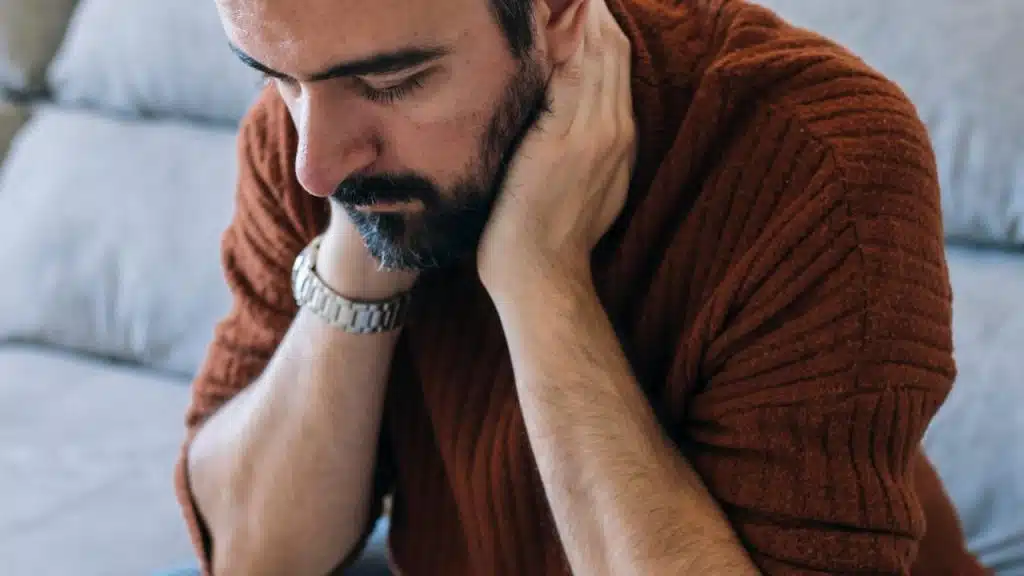
In relationships, power doesn’t mean dominance or control. Real power is self-respect, emotional stability, clear boundaries, and the ability to be valued without forcing it. Many men don’t lose this overnight. It fades slowly—through habits that seem harmless at first but quietly change relationship dynamics.
Below are deep, often overlooked ways men unintentionally lose emotional power and presence over time.
Making the Relationship His Entire Identity
When a man slowly centers his whole world around the relationship—dropping hobbies, friends, passions, and routines—he loses individuality. A partner is attracted to a man who has a life, not one who disappears into the relationship. Losing identity leads to losing respect.
Always Being Available
Being caring is good, but being always available removes value. When a man immediately drops everything for his partner every time, it signals that his time has no structure or priority. Emotional power comes from balance, not constant availability.
Avoiding Honest Disagreement
Men who avoid disagreement to “keep the peace” often lose influence. Silence can feel safe short-term, but over time it creates imbalance. Respect grows when opinions are expressed calmly—not when they’re hidden.
Over-Explaining His Decisions
Confidence speaks briefly. Over-explaining choices, emotions, or boundaries signals uncertainty. A man doesn’t need to convince others of his worth—clarity and calm firmness naturally command respect.
Seeking Validation for Every Choice
When a man needs approval for small decisions, it slowly shifts authority away from him. Self-trust is attractive. Constant reassurance-seeking communicates emotional dependence rather than partnership.
Letting Boundaries Slowly Erode
Boundaries often don’t collapse at once—they weaken gradually. Canceling plans repeatedly, tolerating disrespect, or ignoring discomfort teaches others how to treat you. Power is protected through consistent boundaries, not confrontation.
Apologizing Just to End Discomfort
Apologizing to restore peace—even when not wrong—can quietly lower self-respect. Accountability is strength; unnecessary self-blame creates imbalance and resentment.
Suppressing His Own Needs
Men who consistently put their needs last often believe they’re being “good partners.” Over time, unmet needs turn into frustration or emotional shutdown. Healthy relationships require mutual consideration—not sacrifice of self.
Reacting Emotionally Instead of Staying Grounded
Emotional outbursts, defensiveness, or shutdown during conflict reduce influence. Emotional power is shown through calm responses, thoughtful pauses, and steady presence—especially under pressure.
Losing Direction and Purpose
A man without direction often loses internal confidence. When goals, ambition, or growth disappear, emotional presence weakens. Purpose fuels confidence—and confidence supports relationship balance.
Becoming Emotionally Dependent
Relying on one person for all emotional support creates imbalance. Strong relationships exist between two emotionally grounded individuals, not one emotional center and one emotional dependent.
Over-Pleasing to Avoid Rejection
People-pleasing may feel kind, but it often comes from fear. Over time, it removes authenticity. Respect grows when actions are aligned with truth, not constant accommodation.
Allowing Repeated Disrespect
Ignoring sarcasm, dismissive behavior, or emotional neglect teaches that such behavior is acceptable. Addressing issues calmly early prevents long-term erosion of respect.
Losing His Masculine Calm
Masculine energy in relationships often shows as steadiness, reassurance, and emotional control. When a man becomes anxious, reactive, or overly apologetic, that calm disappears—and with it, emotional authority.
Over-Sharing Every Thought
Emotional openness is healthy—but constant emotional dumping can feel overwhelming. Power lies in emotional regulation, not constant expression of every worry.
Allowing Guilt to Control Decisions
When guilt becomes the main driver of choices, self-respect fades. Healthy partners consider feelings without sacrificing boundaries or personal values.
Neglecting Physical and Mental Health
Poor sleep, lack of exercise, emotional burnout, and stress lower confidence. A man who doesn’t take care of himself slowly loses presence and energy in the relationship.
Letting the Relationship Define His Worth
When a man’s self-worth depends entirely on how his partner feels, reacts, or approves, he gives away emotional control. Relationships should add to identity—not replace it.
Losing Playfulness and Leadership
Over time, routine and stress can remove lightness. Losing humor, presence, and initiative weakens emotional attraction. Leadership isn’t control—it’s emotional steadiness and direction.
Not Addressing Small Issues Early
Small issues ignored today become major resentments later. Men lose power when they delay necessary conversations until frustration explodes or silence becomes the norm.
Why Men Often Don’t Notice This Happening
These changes are gradual. Each compromise feels small. But together, they reshape how a man sees himself—and how he’s perceived. Awareness is the turning point.
How Emotional Power Is Restored (Healthy Way)
Power returns through:
Reclaiming purpose and routine
Setting calm, clear boundaries
Speaking honestly without aggression
Maintaining individuality
Valuing self-respect over approval
Power is not taken—it’s maintained.
Final Thoughts
A healthy relationship never requires a man to shrink himself. Emotional power isn’t loud or forceful—it’s quiet confidence, clarity, and consistency. When a man stands grounded in who he is, respect follows naturally.