




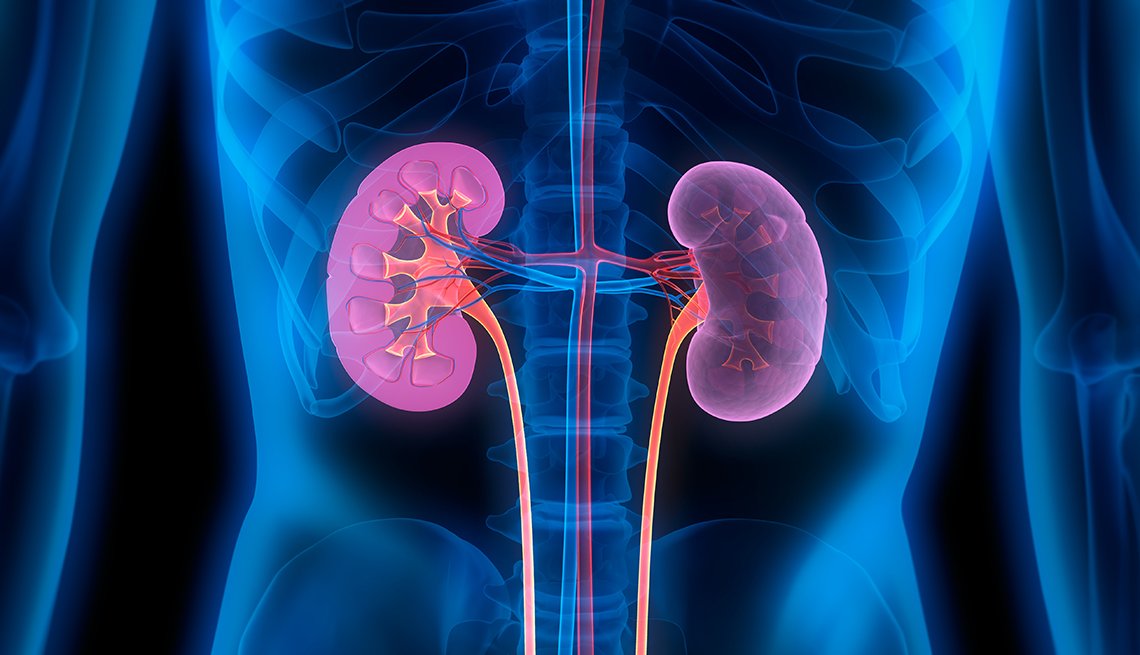
Your kidneys play a vital role in maintaining overall health by filtering waste, balancing fluids, and regulating essential minerals in your body. However, kidney issues often develop silently, showing symptoms only when the condition has progressed. Recognizing the early warning signs of kidney trouble can help you seek medical attention before complications arise.
In this article, we’ll explore some common signs that could indicate your kidneys might be struggling and what steps you can take to support kidney health.
1. Persistent Fatigue and Low Energy Levels
When your kidneys are not functioning properly, toxins and impurities can accumulate in your bloodstream. This can lead to feelings of constant tiredness, weakness, and difficulty concentrating. Anemia, a common side effect of kidney disease, can also contribute to low energy levels.
What to do: If you experience persistent fatigue despite getting enough rest, consult a healthcare professional for a kidney function test.
2. Changes in Urination Patterns
Your kidneys are responsible for producing urine, so any noticeable changes could signal an underlying issue. Signs to watch for include:
- Increased frequency, especially at night
- Dark-colored or foamy urine
- Blood in the urine
- Difficulty or pain while urinating
What to do: Monitor your urination patterns and seek medical advice if you notice persistent changes.
3. Swelling in Hands, Feet, or Face
When your kidneys are unable to remove excess fluids and sodium from the body, it can result in swelling—especially in the hands, feet, ankles, and face. This condition, known as edema, is a common indicator of kidney dysfunction.
What to do: Reducing salt intake and staying hydrated can help, but persistent swelling should be evaluated by a doctor.
4. Persistent Back Pain or Flank Pain
Pain in the lower back or sides of the body (flank area) could indicate kidney-related problems such as kidney stones, infections, or inflammation. This pain may be sharp or dull and may worsen with movement.
What to do: Seek medical attention if the pain is persistent, severe, or accompanied by fever or changes in urination.
5. Unexplained High Blood Pressure
The kidneys help regulate blood pressure by controlling fluid levels and producing hormones that affect vascular health. When they are compromised, blood pressure can rise, increasing the risk of heart disease and stroke.
What to do: Regularly monitor your blood pressure and consult a healthcare provider if it remains consistently high.
6. Persistent Nausea and Loss of Appetite
A buildup of toxins in the bloodstream due to impaired kidney function can lead to digestive issues, including persistent nausea, vomiting, and a reduced appetite. This can contribute to unintended weight loss and nutritional deficiencies.
What to do: If you experience ongoing digestive discomfort, consult a healthcare professional to rule out kidney-related concerns.
7. Skin Itching and Dryness
Healthy kidneys remove waste and excess minerals from the blood. When kidney function declines, these waste products can accumulate, leading to skin dryness, persistent itching, and irritation.
What to do: Staying hydrated and using gentle skincare products can help, but a medical evaluation is essential if symptoms persist.
8. Metallic Taste in Mouth and Bad Breath
A buildup of waste in the bloodstream can cause a metallic taste in the mouth and persistent bad breath. Some people with kidney issues also report changes in their sense of taste, making food less appealing.
What to do: Practice good oral hygiene and consult a doctor if the issue persists despite regular care.
9. Difficulty Breathing
Kidney problems can lead to fluid buildup in the lungs, causing shortness of breath, especially during physical activity. Additionally, anemia associated with kidney disease can result in reduced oxygen supply, making it harder to breathe.
What to do: If you experience unexplained shortness of breath, seek medical advice immediately.
10. Feeling Cold Even When It’s Warm
Anemia caused by kidney disease can lead to a constant feeling of coldness, even in warm environments. This occurs due to a lack of red blood cells needed to carry oxygen throughout the body.
What to do: If you frequently feel cold without an apparent reason, consider getting tested for kidney function.
How to Support Kidney Health
If you notice any of the above symptoms, it’s important to consult a healthcare professional for proper diagnosis and treatment. In the meantime, here are some lifestyle changes to promote kidney health:
- Stay Hydrated: Drinking enough water helps your kidneys flush out toxins effectively.
- Eat a Balanced Diet: Focus on kidney-friendly foods such as fruits, vegetables, and lean proteins while limiting processed foods and excess salt.
- Monitor Blood Pressure and Blood Sugar: High blood pressure and diabetes are major risk factors for kidney disease.
- Avoid Overuse of Painkillers: Long-term use of NSAIDs (non-steroidal anti-inflammatory drugs) can harm kidney function.
- Exercise Regularly: Staying active helps maintain overall health and supports kidney function.
Conclusion
Your kidneys work tirelessly to keep your body healthy, and paying attention to early warning signs can help prevent serious complications. By recognizing symptoms such as fatigue, swelling, or changes in urination, you can take proactive steps to protect your kidney health.
Regular check-ups, a healthy lifestyle, and staying informed about potential risk factors can go a long way in ensuring optimal kidney function and overall well-being.