




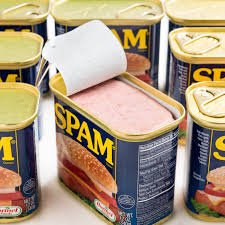
The Origins of Spam: A Canned Mystery
Spam, the iconic canned meat product, is more than just a mystery meat on your grocery store shelf—it’s a cultural phenomenon with a name recognized around the world. But how did it get such an unusual name? And what does it have to do with the endless emails cluttering your inbox?
Spam’s origin story begins in 1937, when Hormel Foods introduced it as a convenient, affordable, and shelf-stable source of protein during the Great Depression. The product was made from pork shoulder, ham, salt, water, modified potato starch, sugar, and sodium nitrite. Though simple in ingredients, its name sparked far more curiosity than the recipe itself.
Where Did The Name “Spam” Come From?
The true origins of the name “Spam” are still a little murky. According to Hormel, it stands for “spiced ham”—although this is debated. Other theories suggest it means “shoulder of pork and ham.” However, the most widely accepted story is that a Hormel executive’s brother blurted out the name at a party, and it stuck because it was short, catchy, and easy to remember.
Hormel’s official stance? “Spam is just Spam.”
Spam’s Role in World War II
Spam skyrocketed in popularity during World War II, when it was sent to feed U.S. troops overseas. It became known as a reliable, non-perishable source of protein that could survive harsh conditions. In fact, Spam was so ubiquitous during the war that it became a running joke among soldiers—sometimes praised, often mocked, but always eaten.
After the war, Spam found loyal fans in places where it had been introduced through military supply lines—the UK, South Korea, the Philippines, and Hawaii among them. In these places, Spam became part of the local cuisine and remains popular to this day.
Hormel has since sold over 8 billion cans of Spam worldwide.
How Spam Became “Spam” in Your Inbox
If you’re wondering how a canned meat product became synonymous with unwanted email, the answer is surprisingly rooted in British comedy.
In 1970, the legendary comedy troupe Monty Python aired a sketch involving Spam. In the sketch, a couple tries to order breakfast at a cafe where Spam appears in nearly every dish on the menu. As the woman protests, a group of Vikings in the cafe repeatedly chants “Spam, Spam, Spam, Spam!” louder and louder, drowning out any other conversation.
This became a metaphor for unwanted, repetitive, unavoidable content—hence the leap to unwanted digital messages.
The Rise of Spam Email
In the early days of the internet, “spam” became the go-to term for unsolicited or irrelevant messages that clutter inboxes and newsgroups—just like the chanting Vikings drowning out conversation with the word “Spam.” The first recognized case of spam email happened in 1978, when a marketing message was sent to hundreds of ARPANET users. However, it wasn’t until the 1990s that spam really took off, with marketers and scammers flooding email accounts worldwide.
The term was officially cemented when internet pioneers and users started referring to these junk messages as “spam,” drawing a direct line from Monty Python’s relentless chant to the modern nuisance of unsolicited messages.
Spam’s Legacy Today
Hormel Foods has always maintained a polite distance from the email connotation, even acknowledging the irony of its product’s name being used to describe something annoying. In legal battles over trademark rights, courts ruled that Hormel’s Spam (the meat) and spam (the emails) were entirely separate matters.
Despite its digital association, Spam the food enjoys a robust reputation and dedicated following. In Hawaii, Spam is practically a culinary institution, featured in dishes like Spam musubi (Spam atop rice, wrapped with seaweed). In South Korea, Spam gift sets are even exchanged during holidays.
Fun Facts About Spam
- 8 billion+ cans have been sold globally.
- It’s available in over 40 countries.
- Spam Museum exists in Austin, Minnesota, where Hormel is headquartered.
- Variations include flavors like Jalapeño, Teriyaki, and Hickory Smoke.
- Spam is so beloved in Guam that the island consumes more Spam per capita than anywhere else on Earth.
Final Thoughts
What started as a humble wartime protein source has become a global icon, a comedy punchline, a cultural staple, and a symbol of everything we hate about email. Whether you love it or loathe it—whether you eat it fried with eggs or curse it in your inbox—Spam’s legacy is undeniable.
Spam isn’t just meat in a can. It’s history, humor, and, unfortunately, a whole lot of emails.