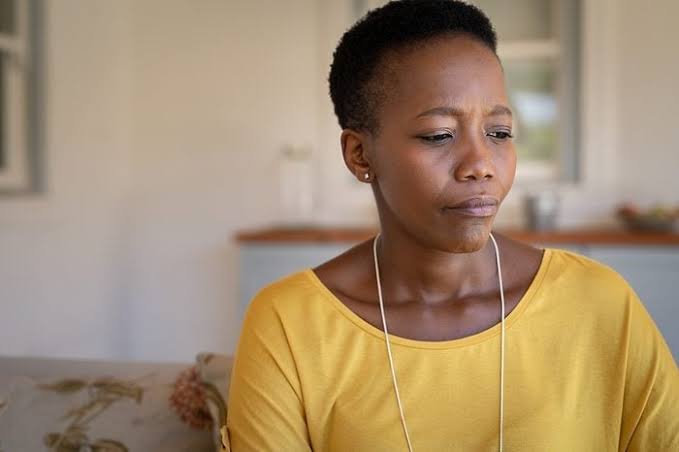


Kissing is one of the simplest ways many couples express affection, love, and emotional closeness. For some people, it’s an important part of feeling connected, while for others it may not be their primary way of showing love. If you’ve noticed that your partner doesn’t kiss you as often as they once did—or rarely kisses you at all—you may naturally wonder what it means.
The truth is that there isn’t one universal explanation. A change in kissing habits doesn’t automatically mean your partner loves you less or that the relationship is ending. Many factors, including stress, health, personality, and relationship dynamics, can influence physical affection.
Rather than focusing on one behavior alone, it’s helpful to look at the overall pattern of your relationship. Here are some possible reasons your partner may not kiss you often.
They Express Love in Different Ways
Not everyone naturally expresses affection through kissing. Some people feel more comfortable showing love by spending quality time together, helping with daily tasks, giving thoughtful gifts, or offering words of encouragement. If your partner consistently shows care in other meaningful ways, the lack of frequent kissing may simply reflect their personal style rather than a lack of love. Understanding each other’s preferred ways of expressing affection can reduce misunderstandings and strengthen your relationship.
Stress May Be Affecting Their Affection
Work deadlines, financial concerns, parenting responsibilities, health issues, or family problems can leave someone feeling mentally exhausted. When stress levels are high, physical affection often becomes less frequent—not because love has disappeared, but because emotional energy is being directed toward managing daily challenges. If your partner has been under unusual pressure, offering understanding and support may be more helpful than assuming the worst.
They May Feel Emotionally Disconnected
Sometimes physical affection changes because emotional closeness has changed first. If unresolved arguments, poor communication, or ongoing tension have created distance between you, your partner may naturally become less affectionate. In many relationships, rebuilding emotional connection through honest conversations, quality time, and mutual understanding also helps restore physical affection.
The Relationship Has Become Routine
Long-term relationships naturally evolve over time. During the early stages of dating, couples often express affection more frequently because everything feels new and exciting. As life becomes busier and routines develop, some couples unintentionally stop sharing small gestures like kissing hello, hugging before work, or holding hands during walks. This doesn’t necessarily mean the relationship is unhealthy—it may simply mean that affection needs to become a more intentional habit again.
Health or Medication Could Play a Role
Certain health conditions, dental discomfort, chronic pain, fatigue, anxiety, depression, or medications can affect someone’s desire for physical closeness. If your partner has recently experienced changes in their physical or mental health, those factors may influence affectionate behavior without reflecting their feelings for you. Compassion and open communication are often the best ways to understand what’s happening.
They May Not Realize You’ve Noticed
Sometimes people simply aren’t aware that their habits have changed. Your partner may have no idea that less frequent kissing is affecting you emotionally. They may assume everything feels normal because physical affection isn’t something they think about often. A calm, honest conversation can help them understand why this matters to you without making them feel criticized.
Different Expectations About Affection
Every person grows up with different experiences and expectations regarding affection. Some families were naturally affectionate, while others rarely expressed physical closeness. As adults, these differences often carry into romantic relationships. If one partner enjoys frequent kissing and the other doesn’t naturally think about it, neither person is necessarily wrong—they simply have different expectations that can be discussed and understood.
Unresolved Conflict May Be Creating Distance
Even when couples avoid arguing openly, unresolved disagreements can quietly affect affection. Hurt feelings, disappointment, or ongoing resentment may make one or both partners less likely to initiate physical closeness. Addressing conflicts respectfully instead of allowing them to build over time can help restore both emotional and physical connection.
They May Be Feeling Emotionally Overwhelmed
Major life changes such as moving, changing jobs, caring for children or aging parents, financial difficulties, or grief can affect how people express affection. During emotionally demanding periods, some individuals become quieter or less physically expressive while they cope with stress. Supporting each other through these seasons often strengthens the relationship over time.
They Show Affection in Other Meaningful Ways
It’s important to look at the entire relationship rather than focusing on one behavior alone. Does your partner still make time for you? Do they ask about your day, encourage your goals, help when you need support, or make thoughtful gestures? If so, they may simply communicate love differently. Recognizing these other expressions of care can provide a more balanced understanding of your relationship.
Avoid Making Immediate Assumptions
It’s easy to let worry fill in the gaps when affection changes. However, assuming your partner no longer cares or is losing interest without talking to them can create unnecessary anxiety. A single behavior rarely tells the whole story. Looking at long-term patterns, recent life circumstances, and the overall quality of your relationship provides a much more accurate picture than focusing on kissing alone.
Have an Honest Conversation
If you’re feeling hurt or confused, the healthiest step is usually an open and respectful conversation. Instead of making accusations, explain how you’ve been feeling. You might say, “I’ve noticed we don’t kiss as often as we used to, and I miss that closeness. Is everything okay?” Approaching the conversation with curiosity rather than blame encourages honest communication and makes it easier for both partners to share their perspectives.
Small Changes Can Rebuild Connection
If both partners want more affection, rebuilding it often starts with simple everyday habits. Greeting each other with a hug, holding hands during a walk, spending uninterrupted time together, expressing appreciation, and showing kindness throughout the day can naturally strengthen emotional closeness. As emotional connection grows, physical affection often follows.
Final Thoughts
A partner who doesn’t kiss you often isn’t necessarily sending a message that the relationship is failing. Changes in affection can result from stress, busy schedules, personality differences, health concerns, emotional distance, or simply falling into daily routines. Rather than assuming the worst, pay attention to the overall health of your relationship and communicate openly about your needs.
Healthy relationships are built on understanding, trust, respect, and honest conversations. When both partners are willing to listen, support one another, and make small efforts to reconnect, even simple gestures like a kiss can once again become meaningful expressions of love and emotional closeness.