


Waking up to find a damp pillow can be surprising, but drooling during sleep is actually quite common. For many people, it’s completely harmless and simply happens because the muscles of the face and mouth relax during sleep. In other cases, frequent or excessive drooling may be related to an underlying condition that affects breathing, swallowing, or saliva production.
Drooling alone does not mean you have a disease. However, if it becomes persistent, suddenly worsens, or occurs along with other symptoms, it’s worth discussing with a healthcare professional. Understanding the possible causes can help you decide whether it’s something to monitor or something that deserves medical attention.
Here are some of the most common reasons people drool while sleeping.
Sleeping Position
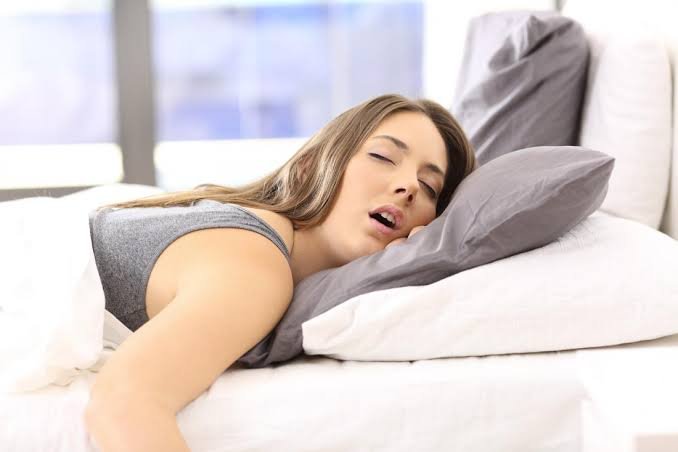
One of the simplest and most common reasons for nighttime drooling is your sleeping position. People who sleep on their side or stomach are more likely to drool because gravity allows saliva to flow out of the mouth more easily. When sleeping on your back, saliva is more likely to remain in the mouth and be swallowed naturally. If drooling only happens occasionally and mainly when you sleep on your side, it’s usually not a cause for concern.
Relaxed Facial Muscles During Sleep
As you enter deeper stages of sleep, the muscles throughout your body naturally relax, including those around your mouth and jaw. If your mouth falls slightly open while you’re asleep, saliva may escape before it’s swallowed. This is a normal part of sleep for many people and often becomes more noticeable during periods of deep or prolonged sleep.
Nasal Congestion
When your nose is blocked because of a cold, allergies, or a sinus infection, you’re more likely to breathe through your mouth. Mouth breathing often increases the chance of drooling because your mouth stays open for longer periods during sleep. Treating the underlying congestion may reduce nighttime drooling and improve sleep quality.
Seasonal Allergies
Allergies can cause swelling inside the nasal passages, making it difficult to breathe comfortably through the nose. As a result, many people switch to mouth breathing while sleeping without even realizing it. Managing allergies with the help of your healthcare provider may improve airflow and reduce drooling if allergies are the underlying cause.
Enlarged Tonsils or Adenoids
In some children and adults, enlarged tonsils or adenoids can partially block the airway, making mouth breathing more common during sleep. This may lead to drooling as well as snoring or restless sleep. If enlarged tonsils are causing significant symptoms, a healthcare provider can recommend the most appropriate treatment.
Sleep Apnea
Obstructive sleep apnea is a condition in which breathing repeatedly stops and starts during sleep because the airway becomes partially or completely blocked. Some people with sleep apnea experience nighttime drooling along with loud snoring, gasping for air, frequent awakenings, morning headaches, or excessive daytime sleepiness. Because untreated sleep apnea can increase the risk of other health problems, persistent symptoms should be evaluated by a healthcare professional.
Acid Reflux
Acid reflux, also known as gastroesophageal reflux disease (GERD), may sometimes contribute to increased saliva production. This natural response helps protect the esophagus from stomach acid. If reflux symptoms occur during sleep, some people may notice more drooling along with heartburn, a sour taste in the mouth, or frequent nighttime coughing.
Certain Medications
Some prescription medications can increase saliva production or affect the muscles involved in swallowing. Certain medications used to treat neurological conditions, mental health disorders, or other medical problems may contribute to nighttime drooling as a side effect. If you notice drooling after starting a new medication, don’t stop taking it on your own. Instead, discuss your concerns with the healthcare provider who prescribed it.
Difficulty Swallowing
Some medical conditions can make swallowing more difficult, allowing saliva to collect in the mouth during sleep. Difficulty swallowing, also known as dysphagia, may result from several different causes and should always be evaluated if it’s persistent. If drooling is accompanied by choking, coughing during meals, or trouble swallowing food or liquids, medical attention is important.
Neurological Conditions
Certain neurological disorders can affect the nerves and muscles responsible for swallowing saliva efficiently. Conditions such as Parkinson’s disease, amyotrophic lateral sclerosis (ALS), multiple sclerosis (MS), or recovery after a stroke may contribute to excessive drooling. In these situations, drooling is usually only one of several symptoms, and treatment focuses on the underlying condition rather than the drooling itself.
Stress and Deep Sleep
Some people notice more drooling after periods of physical exhaustion or unusually deep sleep. While stress itself doesn’t directly cause drooling, changes in sleep patterns, fatigue, and muscle relaxation may make it more noticeable. Improving sleep habits and maintaining a regular sleep schedule may help reduce occasional episodes.
When Should You See a Doctor?
Occasional drooling is usually harmless and doesn’t require medical treatment. However, you should consider speaking with a healthcare provider if drooling begins suddenly, becomes excessive, interferes with daily life, or occurs along with other symptoms such as difficulty swallowing, frequent choking, loud snoring, pauses in breathing during sleep, unexplained weight loss, facial weakness, or persistent neurological symptoms. A proper evaluation can help determine whether an underlying condition needs treatment.
Tips That May Help Reduce Nighttime Drooling
If nighttime drooling is becoming bothersome, a few simple lifestyle changes may help. Sleeping on your back instead of your side, treating nasal congestion, managing seasonal allergies, maintaining good sleep habits, staying hydrated, and practicing good oral hygiene may reduce drooling in some cases. If symptoms continue despite these measures, it’s best to seek medical advice rather than relying on home remedies alone.
Final Thoughts
Drooling while sleeping is common and, in many cases, completely normal. It often results from sleeping position, relaxed facial muscles, or temporary nasal congestion. However, persistent or excessive drooling can sometimes be associated with conditions such as sleep apnea, acid reflux, swallowing difficulties, or certain neurological disorders.
The key is to pay attention to the overall pattern of your symptoms rather than assuming the worst. If drooling is occasional and not accompanied by other health concerns, it’s usually nothing to worry about. But if it becomes frequent, severe, or occurs alongside symptoms such as breathing problems or difficulty swallowing, consulting a healthcare professional is the safest way to determine the cause and receive appropriate care.