



Papaya is a sweet, tropical fruit enjoyed around the world for its soft texture, bright color, and refreshing flavor. It is also a source of vitamin C, vitamin A, folate, and other nutrients that can contribute to a balanced diet.
At the same time, you may have seen alarming claims online suggesting that papaya is dangerous or that eating it can cause serious health problems. These claims often lack important context. For most healthy adults, ripe papaya can be part of a nutritious eating pattern. However, certain people may need to be more cautious, particularly when consuming unripe papaya, concentrated papaya products, or large amounts.
Understanding the difference between ordinary food consumption and situations that may require caution can help you make better decisions about including papaya in your diet.
Papaya Provides Several Important Nutrients
One reason papaya is considered a nutritious fruit is its combination of vitamins, minerals, water, and fiber.
Papaya is particularly well known for its vitamin C content. Vitamin C supports normal immune function and also helps the body produce collagen, a protein important for skin, blood vessels, bones, and connective tissue.
The fruit also provides vitamin A-related carotenoids. These compounds contribute to normal vision and support other functions throughout the body.
Papaya contains folate as well, along with smaller amounts of potassium and other nutrients.
Rather than thinking of papaya as a miracle food, it is more accurate to view it as one nutritious option that can contribute to an overall balanced diet.
Papaya Contains Antioxidant Compounds
Papaya contains carotenoids and other naturally occurring plant compounds that have antioxidant activity.
Antioxidants help protect cells from oxidative stress caused by highly reactive molecules. A diet containing a variety of fruits and vegetables provides numerous plant compounds, and eating different colorful foods is generally more beneficial than focusing heavily on a single fruit.
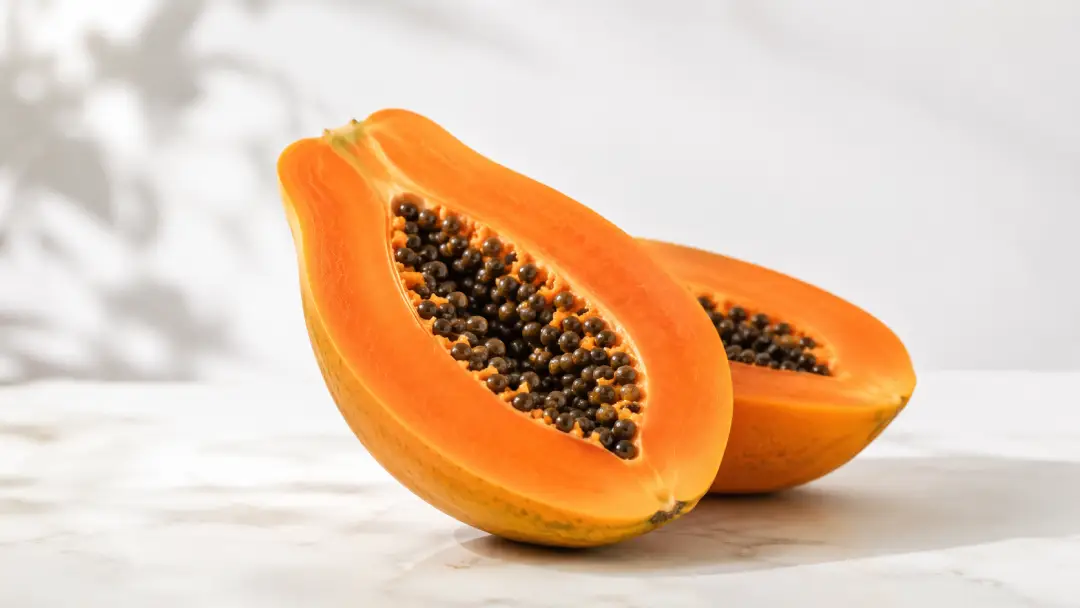
The orange color of ripe papaya comes partly from carotenoid pigments, including beta-carotene and related compounds.
These substances are one reason colorful fruits and vegetables are commonly included in healthy eating patterns.
Ripe Papaya Is Different From Unripe Papaya
One of the most important distinctions when discussing papaya safety is whether the fruit is ripe.
Unripe or green papaya contains considerably more latex and certain enzymes than fully ripe fruit. Papaya latex contains substances such as papain and chymopapain.
As the fruit ripens, its texture, flavor, and chemical composition change.
This means information about unripe papaya should not automatically be applied to a normal serving of ripe papaya.
Many traditional and culinary uses of green papaya involve cooking it or using it in specific dishes. That is different from consuming large quantities of raw unripe papaya.
What Is Papain?
Papain is an enzyme naturally found in papaya, particularly in the latex of the unripe fruit.
It is a proteolytic enzyme, meaning it can break down proteins. This property has led to interest in papain for food processing and various commercial applications.
Papaya’s natural enzymes are also one reason the fruit has traditionally been used as a meat tenderizer.
However, the presence of an enzyme does not mean that eating ordinary portions of ripe papaya will produce dramatic effects in the body.
Claims that papaya enzymes can cure major diseases or produce guaranteed health outcomes should be viewed cautiously unless supported by high-quality human research.
Can Papaya Cause Digestive Problems?
For most people, a normal serving of ripe papaya is well tolerated.
However, eating a large amount of any fruit can cause digestive discomfort in some people. Papaya contains fiber and naturally occurring sugars, and individual tolerance can vary.
Some people may experience bloating, loose stools, or stomach discomfort after eating foods that do not agree with their digestive system.
If you notice that papaya consistently causes symptoms, reducing the portion or avoiding it may be reasonable. Persistent digestive symptoms should be discussed with a healthcare professional rather than automatically blaming one food.
Papaya and Allergic Reactions
Food allergies are another reason some individuals may need to avoid particular foods.
Papaya can cause allergic reactions in susceptible people. People with latex allergy may also experience cross-reactivity with certain fruits, including papaya, because some plant proteins can be similar across different foods.
A food allergy can cause symptoms such as itching, hives, swelling, digestive symptoms, wheezing, or difficulty breathing.
Difficulty breathing, swelling of the throat, or other severe symptoms require emergency medical attention.
Anyone who believes they have a food allergy should speak with an appropriate healthcare professional rather than repeatedly testing the food at home.
What About Papaya During Pregnancy?
Pregnancy is one area where claims about papaya can become especially confusing.
You may encounter online warnings suggesting that all papaya should be avoided during pregnancy. The situation is more nuanced.
Unripe and semi-ripe papaya contain more latex than fully ripe papaya, and concerns about papaya during pregnancy have largely focused on latex and substances present in unripe fruit.
Because pregnancy is a special medical situation, women who are pregnant or trying to become pregnant should discuss dietary questions with their obstetrician or healthcare professional.
It is particularly important not to consume concentrated papaya extracts, supplements, or medicinal preparations without professional guidance.
Papaya Seeds Are Not the Same as Papaya Flesh
Papaya seeds are edible and are sometimes used in traditional food practices, but they should not automatically be treated as equivalent to the ripe fruit.
Seeds contain different plant compounds and can have a strong, peppery flavor.
Research into papaya seeds and concentrated extracts has explored various biological effects, but findings from laboratory or animal studies cannot automatically be applied to ordinary human consumption.
If you enjoy papaya, the ripe flesh is the most straightforward way to include the fruit in a normal diet.
Can Papaya Affect Blood Sugar?
Papaya contains naturally occurring carbohydrates and sugars, so portion size can matter for people who monitor blood glucose.
Whole fruit also contains fiber and water, which makes it different from drinking a large amount of fruit juice.
People with diabetes do not necessarily need to avoid papaya. However, individual carbohydrate needs vary, and some people may find that certain portions affect their blood glucose more than others.
If you have diabetes or another condition requiring blood-glucose management, it is useful to consider papaya as part of your overall carbohydrate intake rather than treating it as a completely unrestricted food.
Papaya and Kidney Health
Papaya is not generally considered a fruit that causes kidney failure in healthy people.
Sensational headlines sometimes suggest that individual fruits or vegetables directly cause kidney failure, but kidney health is much more complicated.
People with chronic kidney disease may need individualized guidance regarding potassium, phosphorus, fluids, and other nutrients. The appropriate diet depends on kidney function and laboratory results.
Therefore, someone with advanced kidney disease should follow the recommendations of their healthcare professional or renal dietitian rather than assuming that every fruit is automatically safe or unsafe.
How Much Papaya Should You Eat?
There is no single amount of papaya that every person should eat.
A moderate serving of ripe papaya can fit comfortably into a balanced diet for many healthy adults. It can be eaten by itself, added to fruit salads, blended into smoothies, or combined with yogurt and other nutritious foods.
Eating a variety of fruits is generally more useful than consuming very large quantities of one particular fruit.
If you have a medical condition, food allergy, digestive sensitivity, or other dietary restriction, your appropriate portion may be different.
Choose Fresh, Ripe Papaya
When buying papaya, look for fruit that has developed a yellow-orange color and gives slightly when gently pressed.
Very hard, completely green papaya is less ripe and has a different composition from fully ripe fruit.
Once ripe, papaya should be handled and stored appropriately. Cut fruit should be refrigerated rather than left at room temperature for extended periods.
Good food-handling practices are important regardless of how nutritious a particular fruit may be.
Avoid Treating Papaya as a Miracle Remedy
Papaya is nutritious, but it should not be presented as a cure-all.
You may see claims that papaya can detox the body, cure chronic diseases, eliminate infections, dramatically improve the skin, or replace medical treatment. These statements often go beyond what scientific evidence can establish.
A healthy diet works as a whole. No single fruit can replace appropriate medical care, prescribed medication, adequate sleep, physical activity, or a varied diet.
Enjoying papaya as part of a balanced eating pattern is a much more realistic approach.
Who Should Be More Careful With Papaya?
Most healthy adults can enjoy ripe papaya as part of a balanced diet. However, additional caution may be appropriate for people with known papaya or latex allergies, pregnant women considering unripe or semi-ripe papaya, people taking concentrated papaya supplements, and individuals with medical conditions that require specific dietary restrictions.
Anyone who experiences unusual symptoms after eating papaya should stop consuming it and discuss the reaction with a healthcare professional.
People taking supplements or concentrated herbal products should also remember that these products can contain much higher amounts of certain compounds than ordinary food.
Final Thoughts
Papaya can be a nutritious addition to a balanced diet, providing vitamin C, vitamin A-related carotenoids, folate, fiber, and other naturally occurring compounds.
The important distinction is between ordinary ripe papaya eaten as food and concentrated products or unripe fruit, which may have different properties.
For most healthy adults, there is no reason to fear ripe papaya simply because of alarming claims circulating online. At the same time, certain people—including those with allergies or specific medical conditions—may need individualized advice.
Instead of focusing on sensational claims that a particular fruit is either completely healthy or extremely dangerous, consider the bigger picture. Eat a variety of fruits and vegetables, pay attention to portion sizes, choose minimally processed foods, and seek professional medical advice when you have a condition that affects your dietary needs.
Papaya can be enjoyed as one part of that balanced approach—not as a miracle cure and not as a food that healthy people need to fear.