



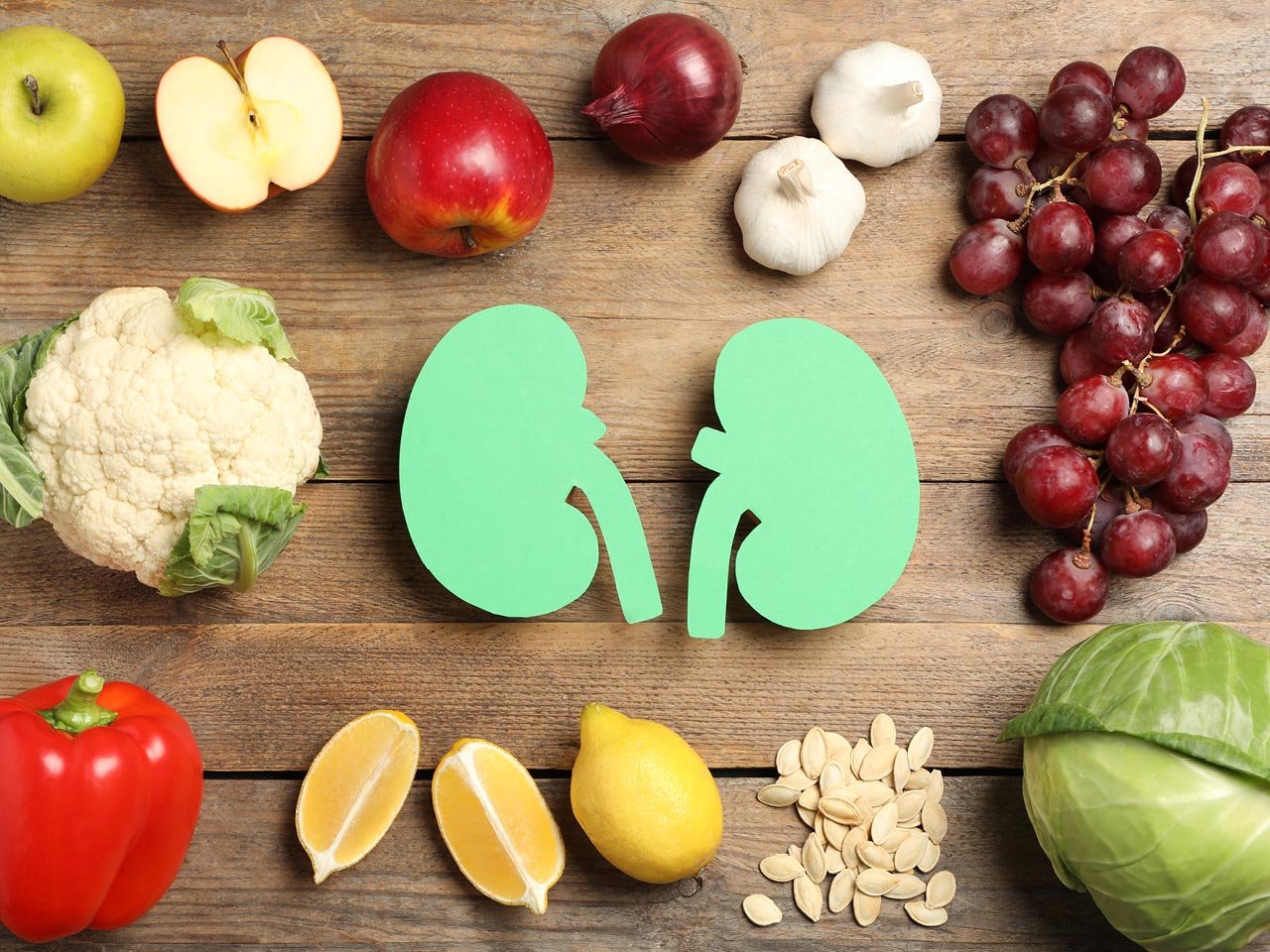
Vegetables are an important part of a balanced diet, providing fiber, vitamins, minerals, and a variety of beneficial plant compounds. For most healthy people, eating a wide range of vegetables is an important part of maintaining overall wellness.
However, women who have kidney disease, a history of kidney stones, or abnormal potassium levels may need to pay closer attention to which vegetables they eat and how much they consume. This does not mean vegetables are bad for the kidneys. Instead, certain medical conditions can change how the body handles nutrients such as potassium and oxalate.
Understanding these differences can help women make informed food choices without unnecessarily avoiding nutritious vegetables.
Most Vegetables Are Part of a Healthy Diet
For people without kidney disease or specific dietary restrictions, vegetables are generally considered an important part of healthy eating.
The National Institute of Diabetes and Digestive and Kidney Diseases recommends choosing fresh or frozen vegetables as part of a healthy eating pattern that supports overall health and kidney health.
Vegetables provide nutrients that support normal body functions, while diets rich in minimally processed foods can also help with factors such as weight management and cardiovascular health.
The important point is that there is no universal list of vegetables that everyone should avoid.
Why Kidney Health Can Change Dietary Needs
The kidneys help remove waste and excess substances from the blood. When kidney function becomes impaired, the body may have difficulty maintaining the proper balance of certain minerals.
For people with chronic kidney disease, healthcare professionals may recommend adjusting nutrients such as sodium, potassium, phosphorus, calcium, or protein depending on the person’s kidney function and laboratory results.
This is why a vegetable that is perfectly appropriate for one person may need to be limited by another.
A kidney-friendly diet is therefore highly individual rather than a one-size-fits-all plan.
Potassium Can Be an Important Consideration
Potassium is an essential mineral that helps the nerves, muscles, and heart function normally. Many vegetables contain potassium, and most people can enjoy them without concern.
However, some people with advanced kidney disease may develop high potassium levels because their kidneys cannot remove excess potassium efficiently. The National Kidney Foundation explains that potassium restrictions depend on kidney function, laboratory results, and individual circumstances.
This means someone with kidney disease should not automatically eliminate all high-potassium vegetables.
Instead, a healthcare professional or kidney dietitian can determine whether a potassium restriction is actually necessary.
Spinach May Require Special Attention for Some People
Spinach is one vegetable that frequently appears in discussions about kidney health because it contains significant amounts of oxalate.
Oxalate is a naturally occurring substance found in many foods. In people who are prone to calcium-oxalate kidney stones, consuming large amounts of high-oxalate foods may increase the amount of oxalate in the urine.
The NIDDK lists spinach among foods that may need to be limited by people who have had calcium-oxalate kidney stones.
The National Kidney Foundation similarly notes that spinach and Swiss chard are high in oxalates and recommends discussing appropriate intake with a doctor or kidney dietitian if you form calcium-oxalate stones.
This does not mean spinach is dangerous for everyone.
For most people, spinach remains a nutritious vegetable. The concern is mainly relevant to people with particular kidney conditions or a history of certain types of kidney stones.
Sweet Potatoes Can Also Be Relevant
Sweet potatoes are another nutritious food that may require consideration in certain kidney diets.
They contain potassium and are also among the foods that can contain substantial amounts of oxalate. NIDDK notes that people who have had kidney stones may need to pay attention to oxalate-containing foods such as spinach and sweet potatoes.
Again, this does not mean women should automatically stop eating sweet potatoes.
The appropriate amount depends on the individual’s health, kidney function, stone history, blood potassium level, and overall diet.
Leafy Greens Are Not Automatically Bad for the Kidneys
Leafy green vegetables are often misunderstood because some varieties contain relatively high amounts of potassium.
The National Kidney Foundation points out that most people with chronic kidney disease do not necessarily have to limit leafy greens. Whether a person needs to restrict them depends on factors such as kidney disease stage and potassium levels.
For example, cabbage and lettuce can be lower in potassium than some other leafy greens, while cooked spinach and Swiss chard can contain considerably more.
This is why individualized guidance is much more useful than simply labeling all leafy greens as “bad for the kidneys.”
What About Kidney Stones?
Kidney stones are different from chronic kidney disease, and dietary recommendations can depend on the type of stone a person has experienced.
NIDDK explains that dietary changes for kidney stone prevention may involve sodium, animal protein, calcium, or oxalate depending on the type of stone.
For people who have had calcium-oxalate stones, reducing high-oxalate foods may sometimes be recommended. Spinach, rhubarb, peanuts, and wheat bran are examples of foods that can be high in oxalate.
Adequate hydration is also particularly important for kidney-stone prevention. NIDDK identifies drinking enough fluids, mainly water, as one of the most important steps for preventing kidney stones.
Sodium May Matter More Than People Realize
When discussing kidney health, people often focus on vegetables while overlooking sodium.
A high-sodium diet can increase the risk of kidney stones and can also contribute to high blood pressure, which is an important risk factor for kidney disease. NIDDK recommends limiting sodium and choosing foods with little added salt as part of kidney-health-conscious eating.
This is one reason fresh or frozen vegetables without added sauces and excessive salt can be preferable to heavily processed vegetable products.
For example, plain frozen vegetables can be a nutritious choice, while packaged vegetables covered in salty sauces may provide considerably more sodium.
Cooking Methods Can Make a Difference
People with specific kidney-related dietary restrictions may sometimes need to consider how vegetables are prepared.
For individuals who need to reduce potassium, NIDDK describes a process called leaching, in which certain vegetables are sliced, soaked, drained, and then cooked in fresh water. This can reduce some of their potassium content.
However, this technique is not necessary for everyone.
If you do not have a potassium restriction, there is generally no reason to prepare vegetables this way simply because you are concerned about kidney health.
You Shouldn’t Eliminate Vegetables Without a Reason
One of the biggest problems with alarming health headlines is that they can cause people to avoid nutritious foods unnecessarily.
If you read that a particular vegetable contains potassium or oxalate, that does not automatically mean you should stop eating it.
For someone with normal kidney function, many vegetables can be part of a healthy eating pattern. Even among people with kidney disease, dietary restrictions vary considerably.
The National Kidney Foundation specifically notes that people with chronic kidney disease may still be able to enjoy many leafy greens depending on their potassium levels and stage of disease.
Women With Kidney Disease Should Get Individualized Advice
Women with diagnosed chronic kidney disease should not rely on general internet lists when deciding which foods to eliminate.
Kidney disease can progress through different stages, and nutritional needs can change along the way. Blood tests, medications, kidney function, and dialysis status can all affect dietary recommendations.
NIDDK recommends working with a healthcare professional or dietitian who understands kidney disease when dietary changes are needed.
This approach can help prevent unnecessary restrictions while ensuring that important nutrients are appropriately managed.
Hydration Is Important, But Individual Needs Differ
Adequate fluid intake is particularly important for many people trying to prevent kidney stones. However, people with certain advanced kidney conditions may be instructed to limit their fluid intake.
This is another example of why generic health advice cannot apply equally to everyone.
If you have kidney disease, ask your healthcare provider how much fluid you should drink each day rather than following a general recommendation from the internet.
A Balanced Diet Is Usually Better Than Food Fear
It’s easy to become concerned when headlines suggest that one vegetable can damage the kidneys.
In reality, kidney health is influenced by many factors, including diabetes, high blood pressure, family history, certain medical conditions, medications, hydration, and overall dietary patterns.
NIDDK identifies diabetes and high blood pressure among important risk factors for chronic kidney disease.
Rather than eliminating individual foods without a medical reason, women can focus on maintaining a balanced diet, controlling blood pressure and blood glucose when necessary, staying appropriately active, and following recommended medical care.
When Should You Talk to a Doctor?
If you have been diagnosed with kidney disease, recurrent kidney stones, or abnormal potassium levels, discuss your diet with your healthcare professional.
You should also seek medical advice if you experience symptoms that could indicate a kidney problem. Kidney stones, for example, can cause severe pain in the back, side, lower abdomen, or groin, as well as blood in the urine, painful urination, nausea, or vomiting.
Do not attempt to diagnose a kidney condition based on food-related symptoms alone.
Final Thoughts
Vegetables are generally an important part of a healthy diet, and most women do not need to fear them because of concerns about kidney health.
However, certain vegetables can be relevant for people with specific kidney conditions. Spinach and other high-oxalate foods may need to be limited by some people who form calcium-oxalate kidney stones, while certain potassium-rich vegetables may need to be adjusted for people with advanced kidney disease and elevated potassium levels.
The key is personalization. A vegetable that needs to be limited by one person may be completely appropriate for another.
Instead of following alarming claims that a particular vegetable causes kidney failure, focus on the bigger picture: eat a varied diet, limit excessive sodium, stay appropriately hydrated, manage conditions such as diabetes and high blood pressure, and follow the advice of your healthcare professional if you have kidney disease or a history of kidney stones.
Healthy eating should be based on evidence and individual needs—not fear of individual foods.