


Staying in a hotel can be exciting and convenient, but sleeping in an unfamiliar room can sometimes feel different from sleeping at home. The room may have an unfamiliar layout, unfamiliar sounds, and lighting that you are not accustomed to.
One simple habit some travelers find useful is leaving the bathroom light on overnight, preferably with the bathroom door partially closed. It is not something everyone needs to do, and a bright bathroom light may actually interfere with sleep for some people. However, under certain circumstances, a small amount of light can make nighttime trips to the bathroom easier and reduce the need to navigate an unfamiliar room in complete darkness.
It Helps You Navigate an Unfamiliar Room
Hotel rooms can have layouts that differ from what you are used to at home. The bathroom may be positioned around a corner, behind a door, or down a short hallway.
If you wake up during the night and need to get out of bed, finding your way around a completely dark room can be surprisingly difficult.
A soft bathroom light can provide a visual reference point. Instead of turning on a bright overhead light or relying on your phone flashlight, you may be able to see enough of the room to walk safely toward the bathroom.
This can be particularly helpful during the first night in an unfamiliar hotel.
It May Reduce the Risk of Tripping
Hotel rooms often contain furniture, luggage, shoes, charging cables, and other objects that may not be easy to see at night.
A small amount of ambient light can help you recognize obstacles on the floor.
This does not eliminate the risk of falling, but it can make nighttime movement easier. Keeping suitcases, shoes, bags, and electrical cords away from walking paths is still one of the best ways to reduce tripping hazards.
Older adults and anyone who has difficulty seeing in low light may find nighttime illumination particularly useful.
You May Avoid Turning on a Bright Light
One of the biggest advantages of using a bathroom light is that you may not need to turn on the main room light.
A bright overhead light can feel unpleasant when you have just woken up. It can also make it harder for some people to become sleepy again.
Light exposure at night can influence the body’s circadian rhythm, the internal system that helps regulate the sleep-wake cycle. Research has shown that exposure to light during the biological night can affect melatonin and sleep-related processes.
For that reason, if you decide to use a bathroom light, a dim light is generally preferable to a very bright one.
Keep the Bathroom Door Partially Closed
Leaving the bathroom light on does not mean you need to illuminate the entire hotel room.
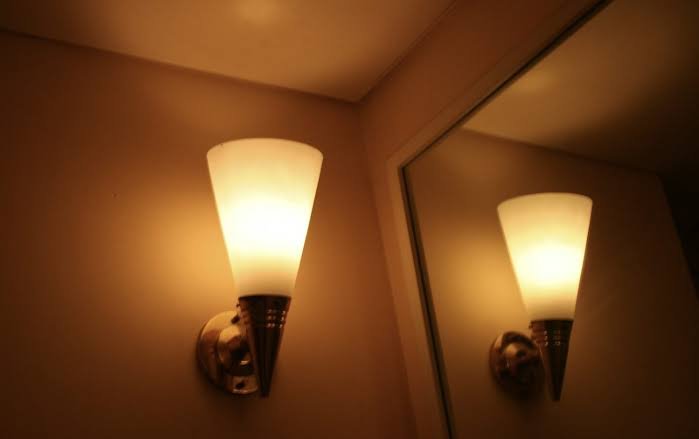
A practical approach is to leave the bathroom light on and keep the door slightly open. This can allow a small amount of light to spill into the bedroom while preventing the room from becoming excessively bright.
If the bathroom has a very bright overhead light, consider using a smaller lamp or night-light instead.
The goal is simply to provide enough illumination to see where you are going.
It Can Be Helpful During Nighttime Bathroom Trips
Many people wake up at least occasionally during the night to use the bathroom. In a familiar home environment, you may be able to find your way around without thinking about it.
A hotel room is different.
You may not remember exactly where the bathroom door is, where the bed ends, or where your luggage has been placed.
A small light can act as a visual guide, making the trip easier and potentially reducing the chance of bumping into furniture or belongings.
This can be especially useful if you are staying in a large room or suite with an unfamiliar layout.
It Can Make the Room Feel Less Unfamiliar
There is also a simple psychological benefit to having a small amount of light available.
A completely unfamiliar room can feel strange at night. Small environmental cues, such as a soft light from the bathroom, can make the space easier to recognize if you wake up suddenly.
This does not mean that sleeping with a light on is medically necessary. It is simply a comfort preference that some travelers may find useful.
People who already sleep comfortably in complete darkness may prefer not to use any additional lighting.
A Night-Light May Be Better Than an Overhead Light
If your hotel bathroom has an extremely bright light, leaving it on all night may not be the best option.
Instead, look for a low-level light source. Some hotel bathrooms have small night-lights, illuminated switches, or low-intensity lighting that can provide enough visibility without flooding the bedroom with bright light.
You can also use a small personal night-light if you travel frequently and prefer having consistent nighttime lighting.
The ideal level is enough to help you see the path without making the room feel fully illuminated.
It May Be Especially Useful With Children
Families traveling with children may find a small bathroom light particularly helpful.
Children sleeping in unfamiliar hotel rooms may wake up and become disoriented. A little light can help them identify the room and find the bathroom without requiring a parent to turn on a bright overhead light.
However, the light should be positioned safely and should not be so bright that it significantly disrupts the child’s sleep.
What About Sleep Quality?
This is where a little caution is important.
While a dim bathroom light can make nighttime navigation easier, more light is not necessarily better for sleep.
Light exposure at night can affect the body’s biological clock. Bright light, especially light containing substantial short-wavelength or blue light, can be more disruptive to normal nighttime physiology.
Therefore, travelers who are sensitive to light may want to use the lowest practical brightness.
If you sleep best in darkness, you may prefer to keep the bathroom light off and use another solution, such as a dim night-light that activates only when needed.
Don’t Forget About Hotel Safety
Lighting is only one part of staying safe in an unfamiliar hotel.
Before going to sleep, take a moment to familiarize yourself with the room. Locate the bathroom, identify the main exit, check where your shoes and luggage are placed, and make sure walkways are clear.
It can also be useful to know where the hotel’s emergency exits are located.
Most importantly, don’t create a trip hazard by placing bags, shoes, chargers, or other objects in the path between the bed and bathroom.
A light can help you see obstacles, but removing the obstacles is even better.
Who May Benefit Most?
Leaving a bathroom light on may be particularly useful for travelers who frequently wake during the night, people unfamiliar with the hotel room, parents traveling with children, and anyone who finds it difficult to navigate safely in complete darkness.
People with limited nighttime vision may also benefit from having some low-level illumination.
However, if you find that even a small amount of light makes it difficult to fall asleep or stay asleep, there is no reason to force yourself to use it.
Sleep preferences vary from person to person.
What If the Hotel Bathroom Light Is Too Bright?
Some hotel bathrooms have powerful lighting that can make the entire room surprisingly bright.
If that is the case, consider alternatives. A small night-light, a dim bedside lamp positioned away from your face, or another low-level light source may work better.
Avoid covering electrical fixtures or lights with towels, clothing, or other materials because this can create safety concerns.
If you use a plug-in night-light while traveling, make sure it is in good condition and does not obstruct other electrical outlets or create a tripping hazard.
Final Thoughts
Leaving the bathroom light on while sleeping in a hotel is not a universal rule, but it can be a simple practical habit for some travelers.
A small amount of illumination can help you recognize the room’s layout, find the bathroom, avoid objects on the floor, and reduce the need to turn on a bright overhead light when you wake up.
The key is low-level lighting rather than a brightly illuminated room. Excessive light at night can interfere with sleep for some people, so choose the dimmest option that provides enough visibility.
Before going to bed, keep luggage and other belongings out of walking areas, become familiar with the room’s layout, and make sure you know where the bathroom and exits are located.
For many travelers, a softly illuminated bathroom can provide a useful balance between nighttime visibility and a comfortable sleeping environment.